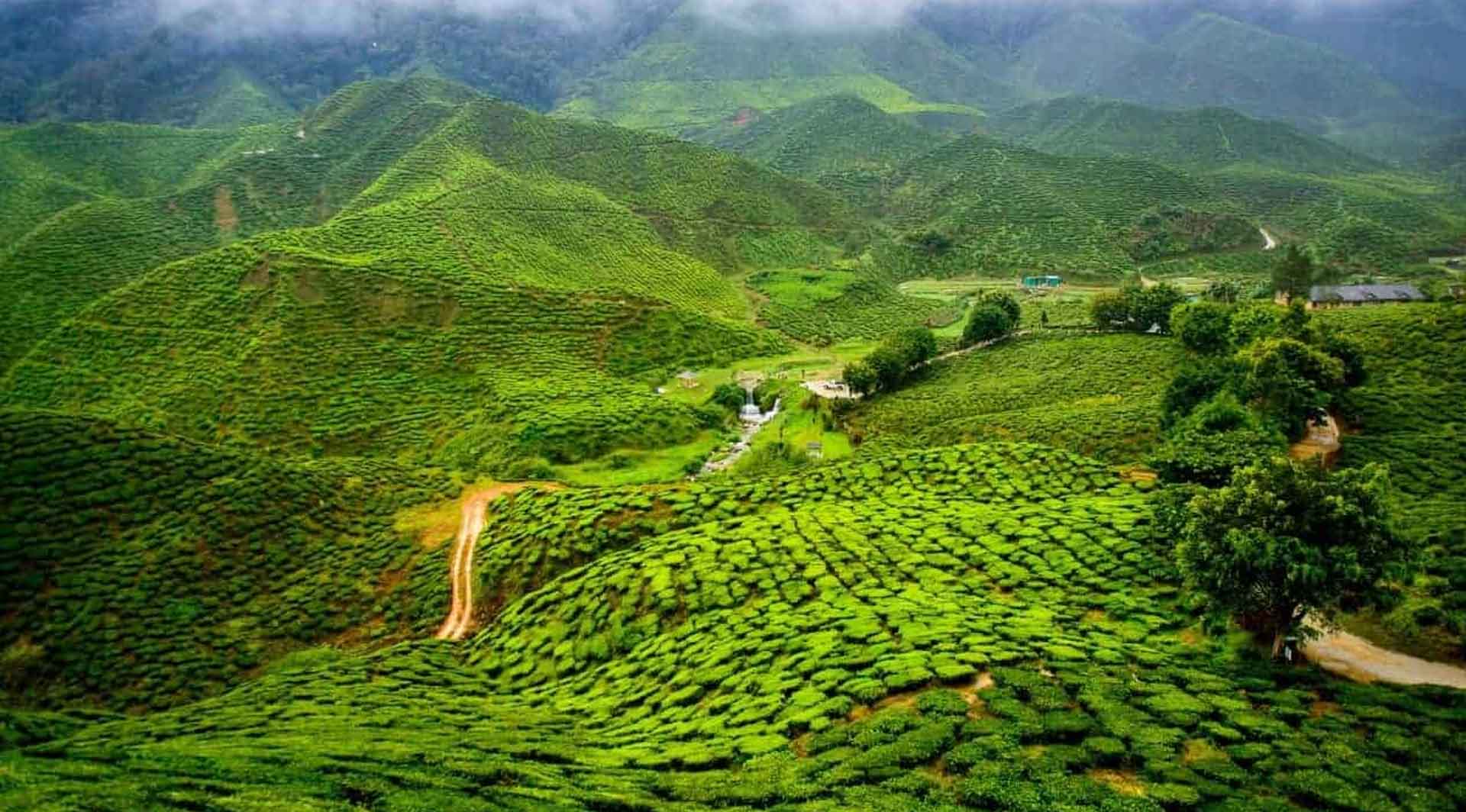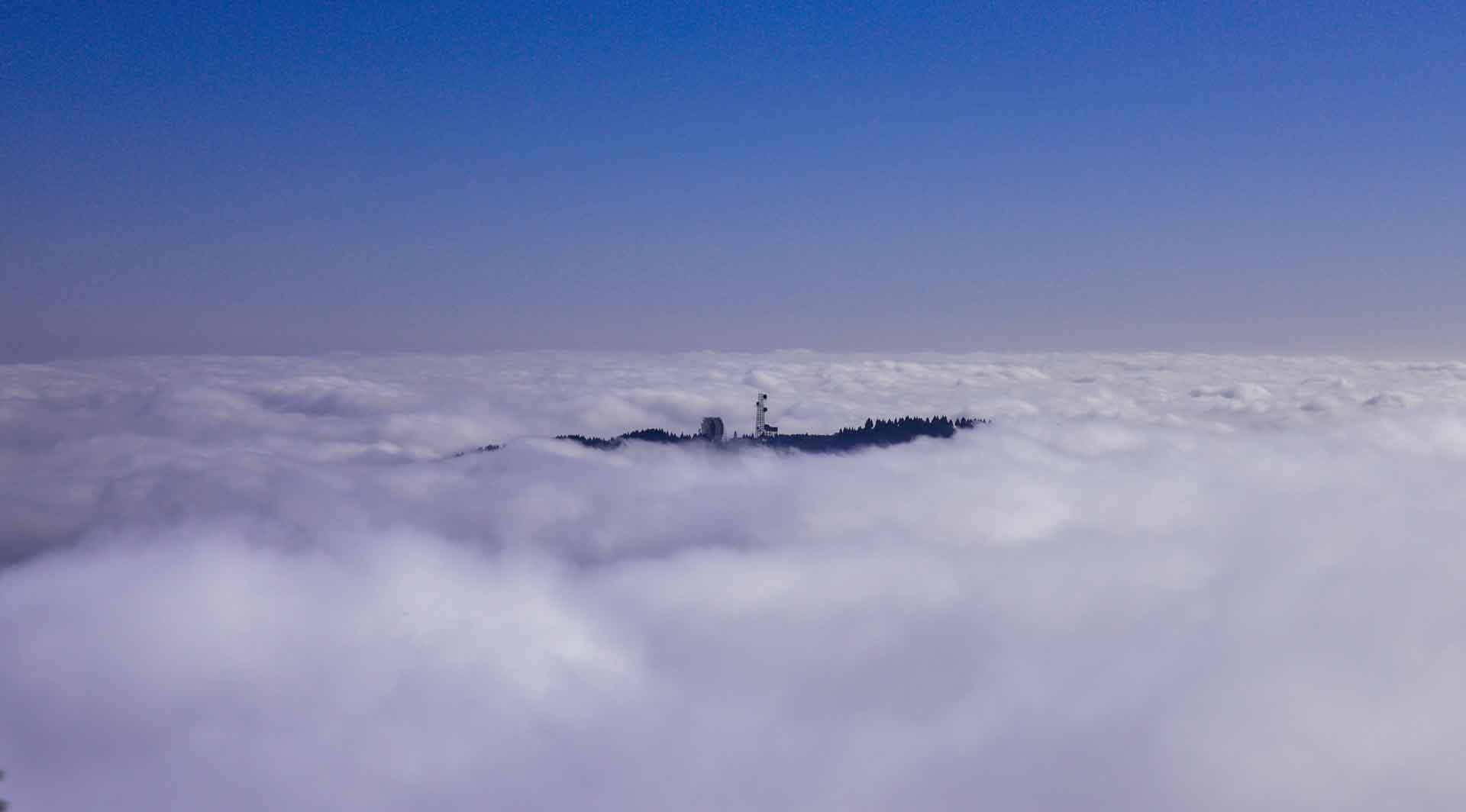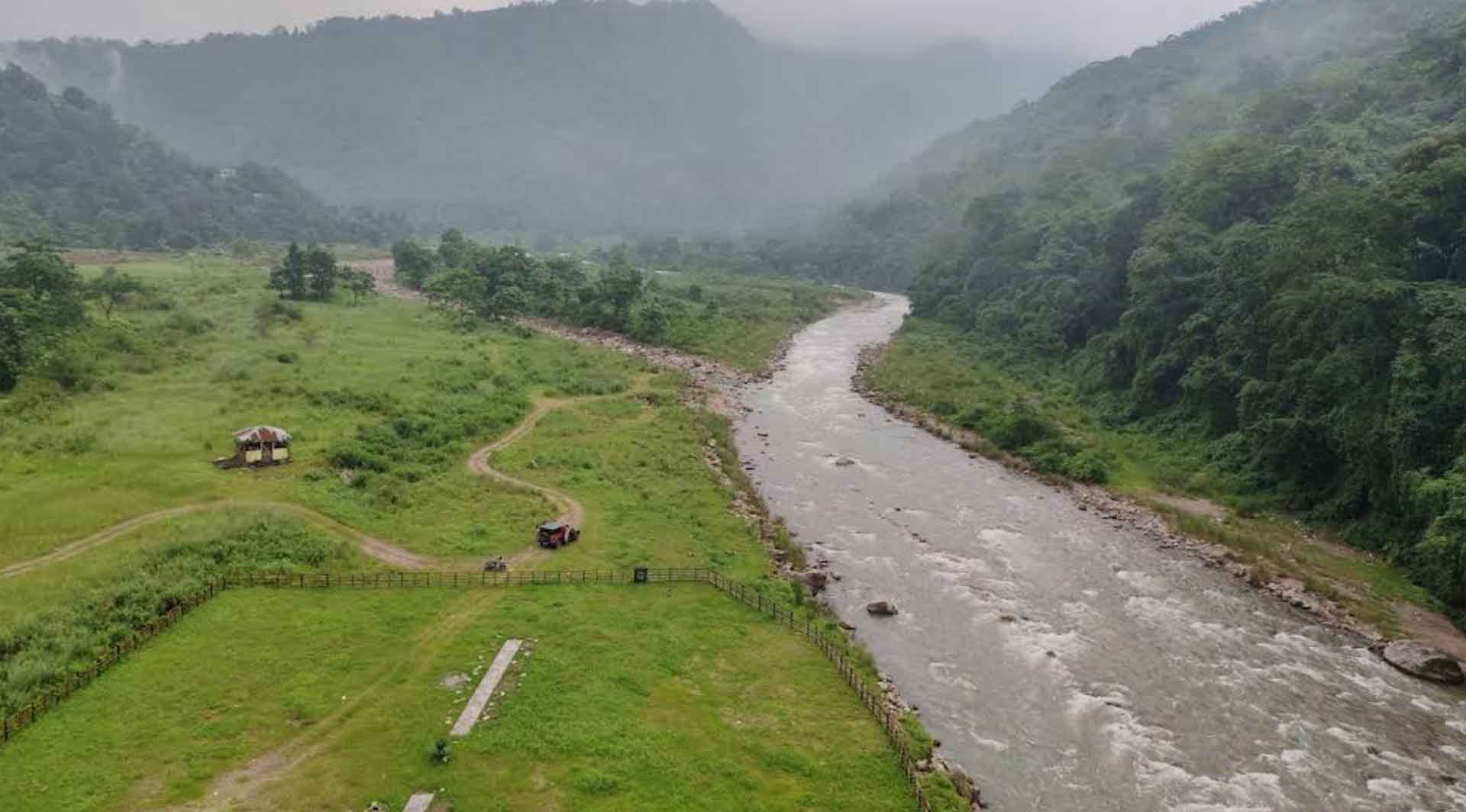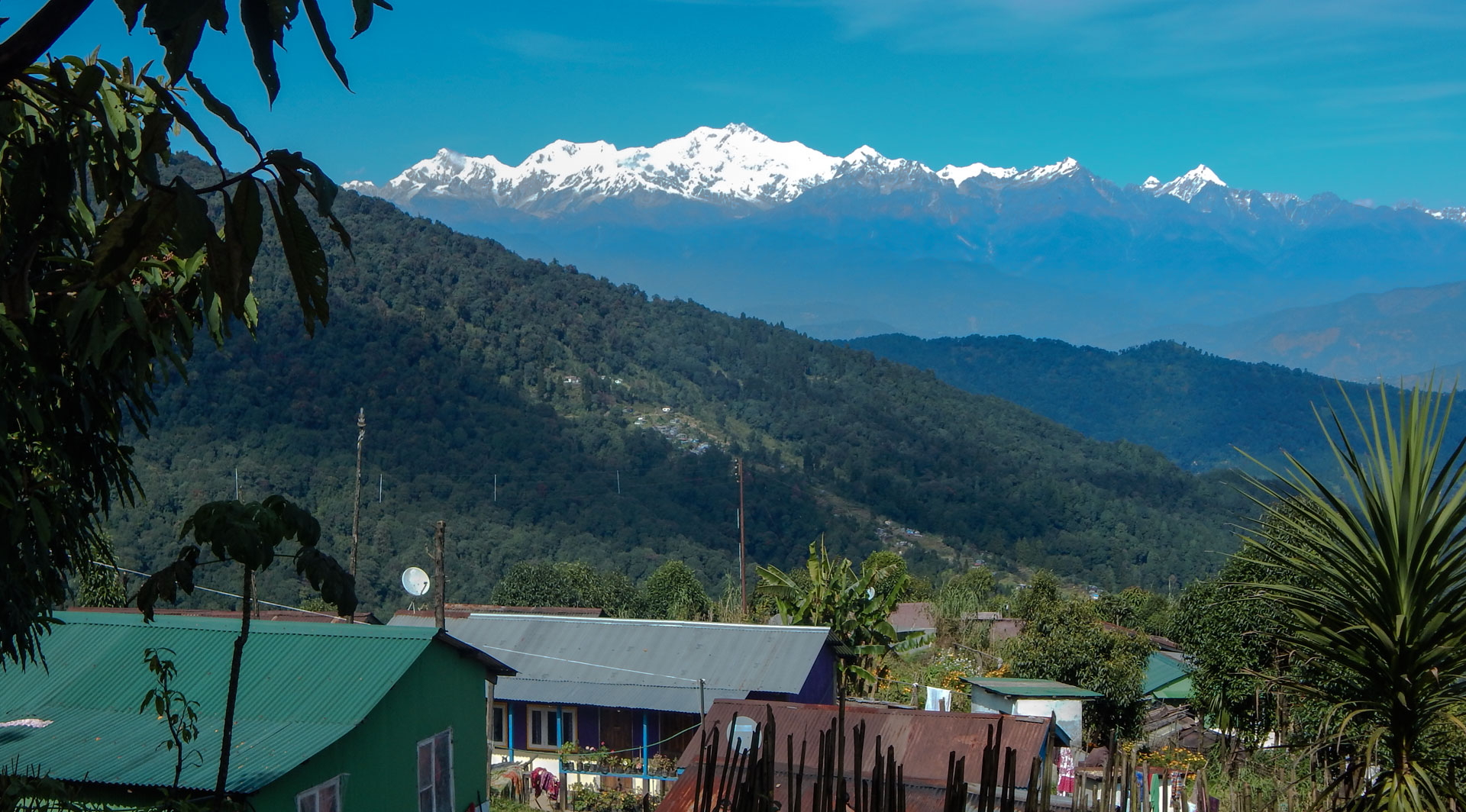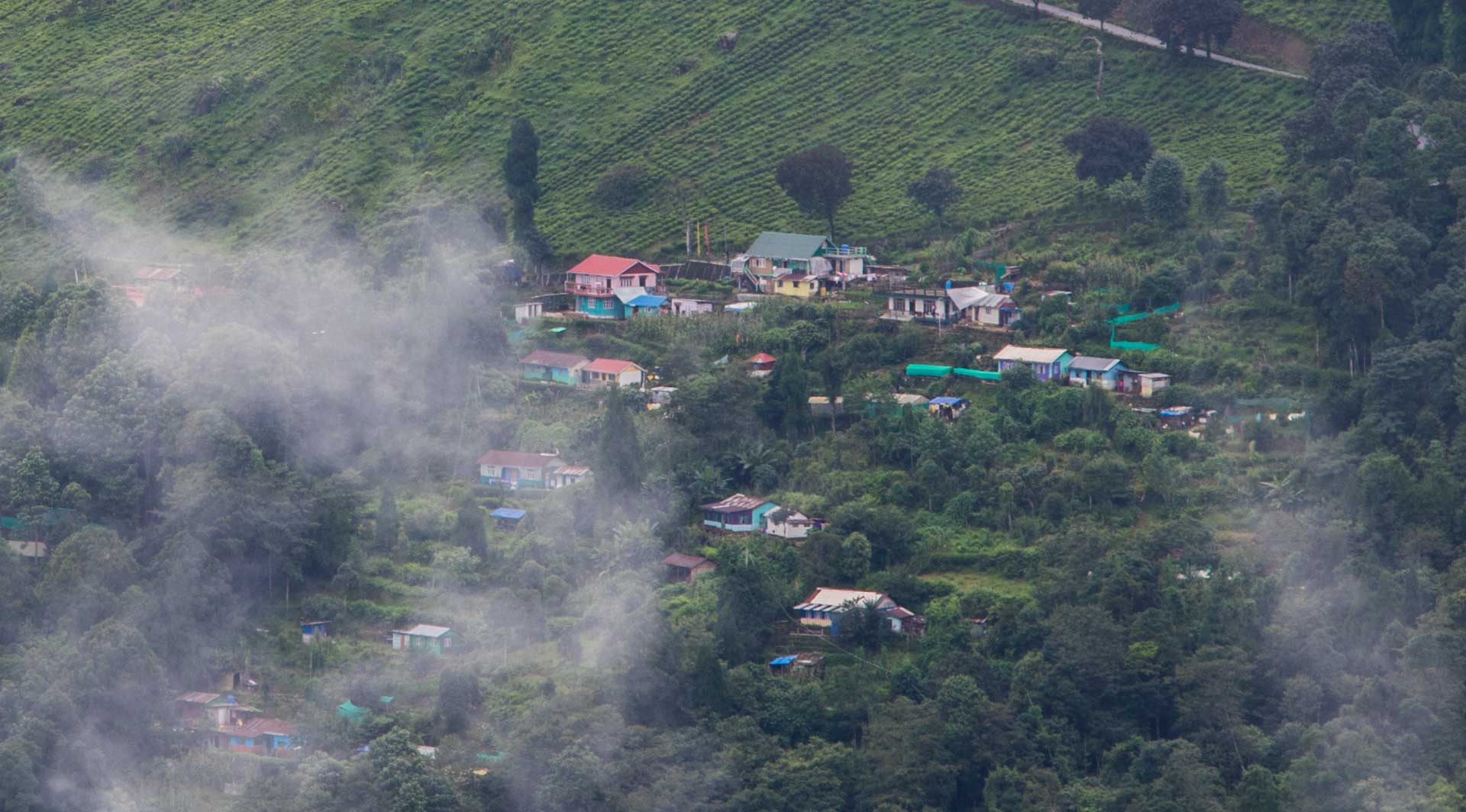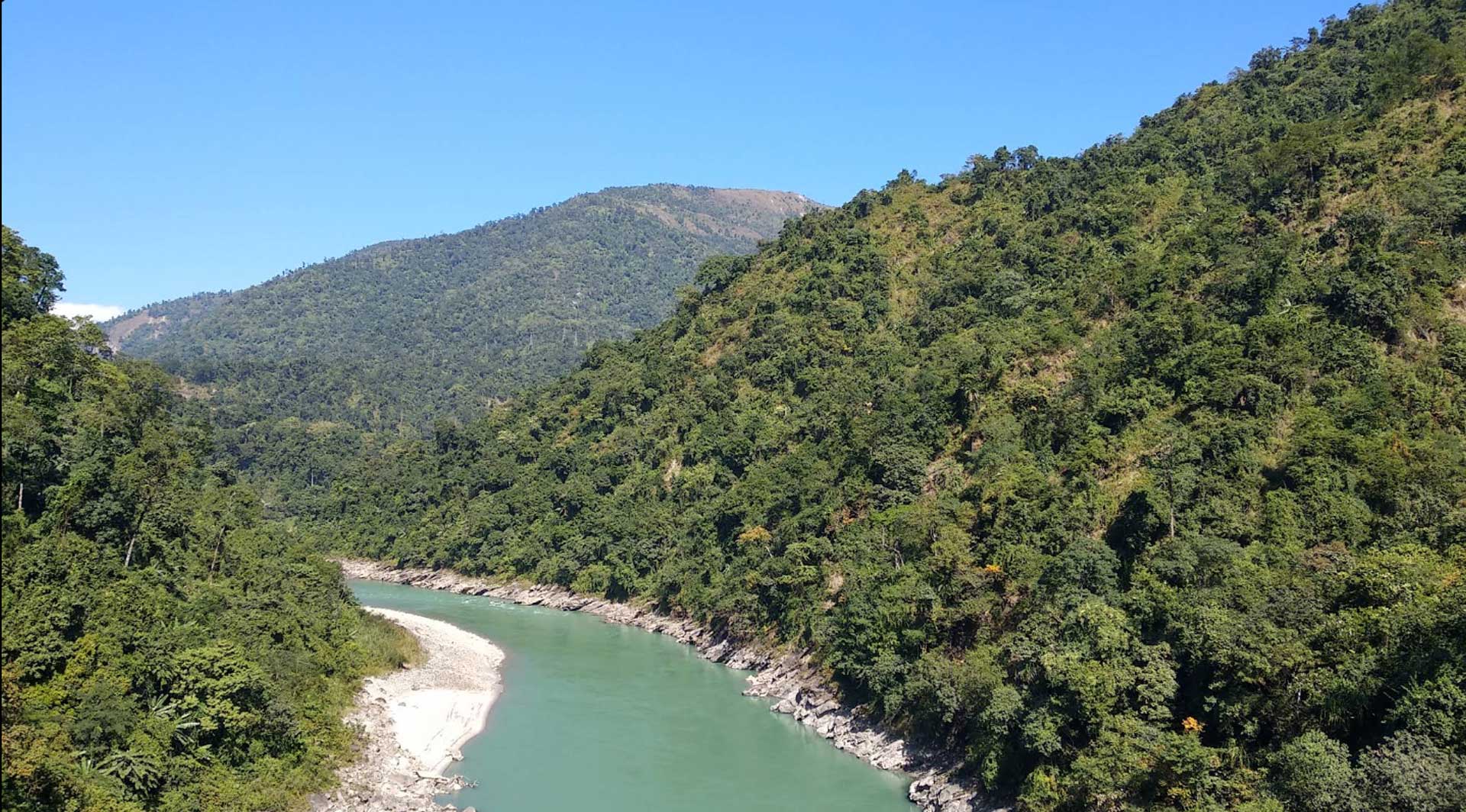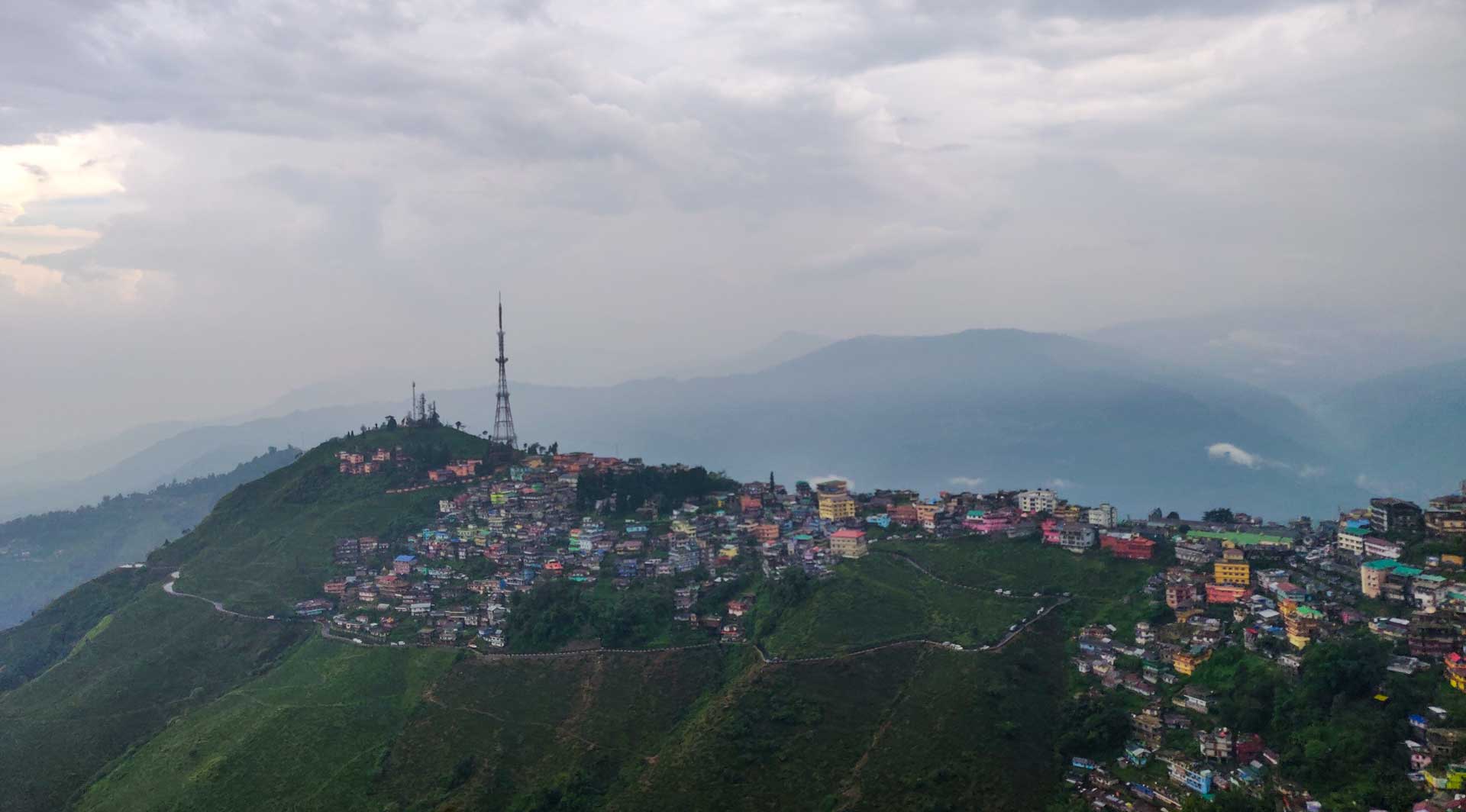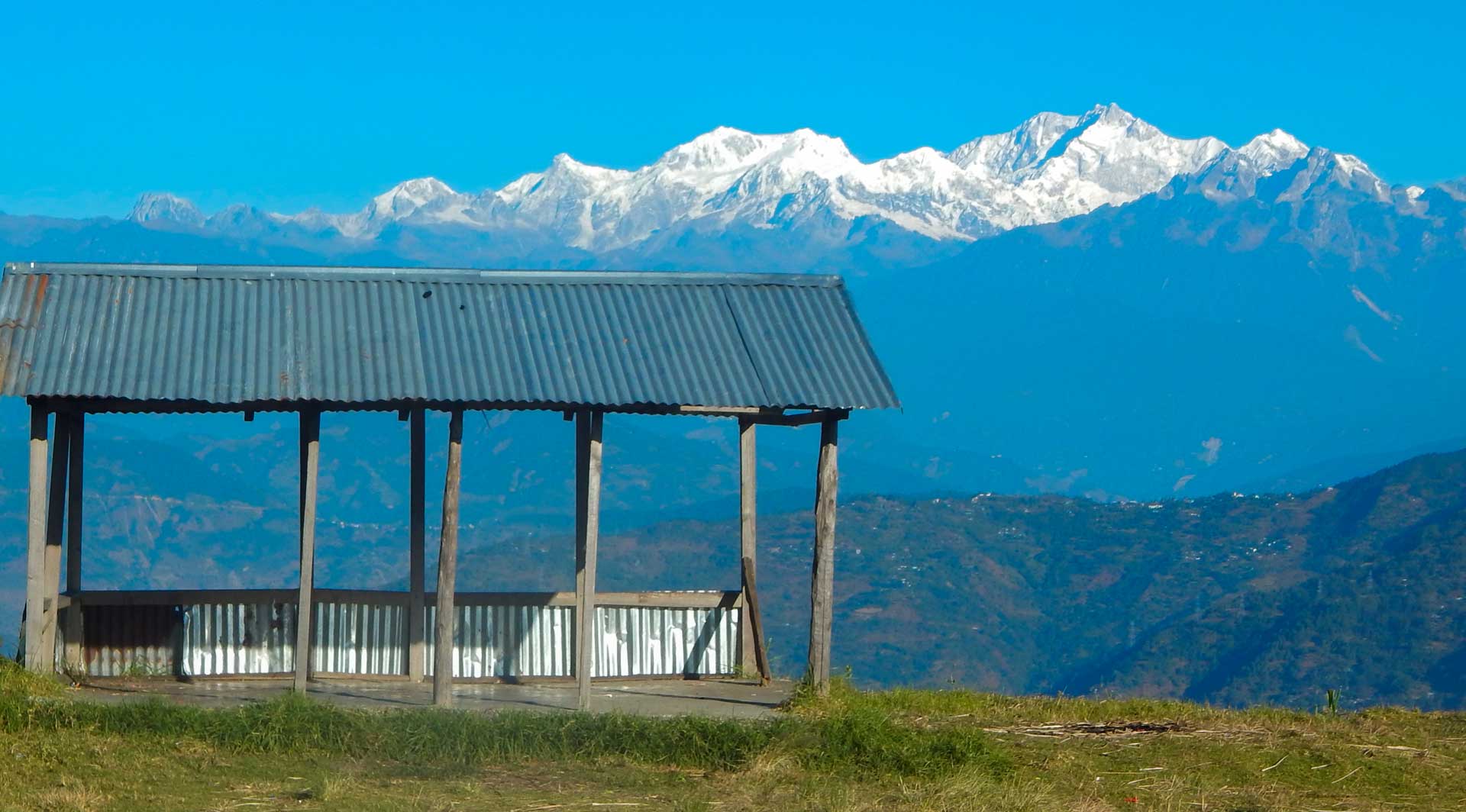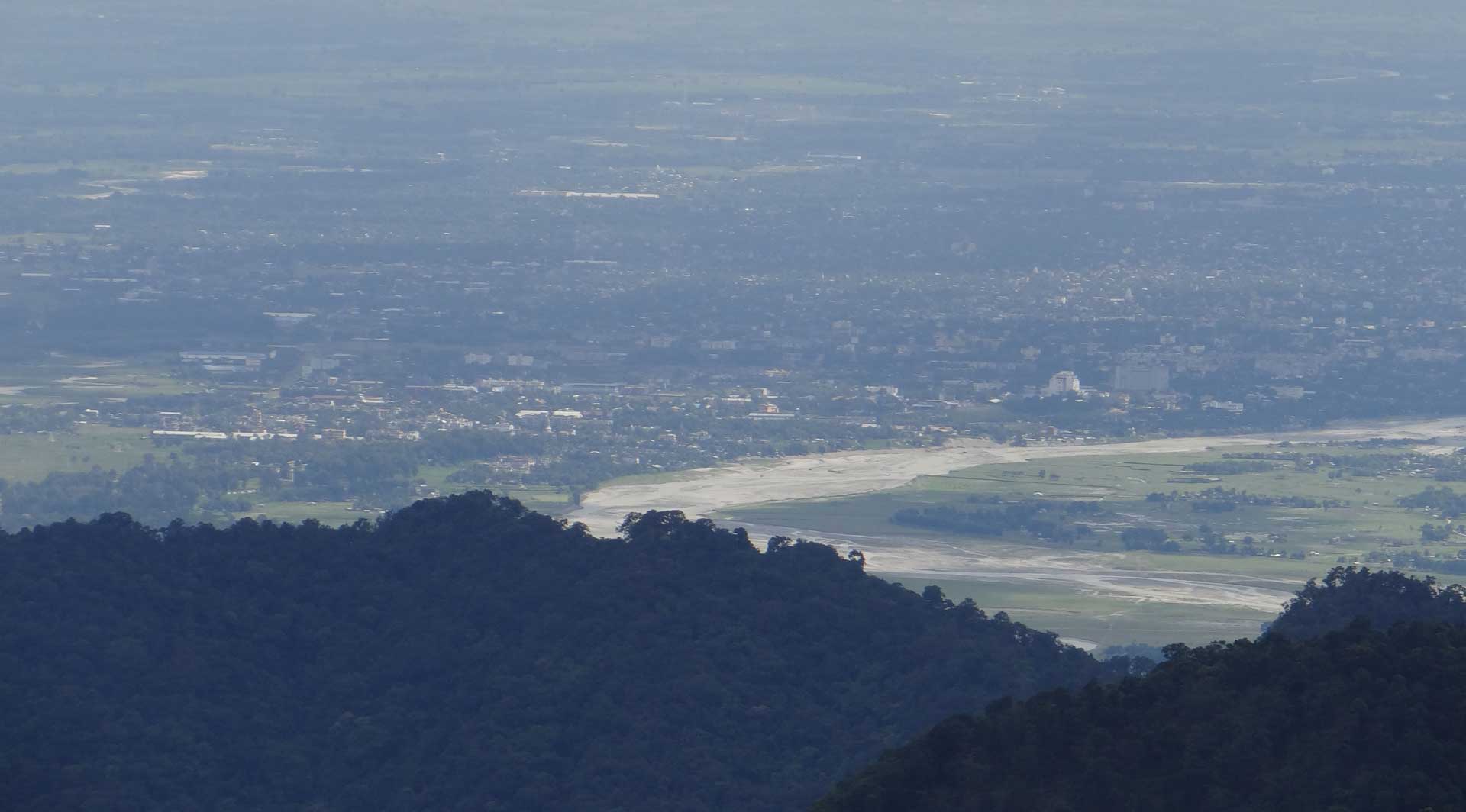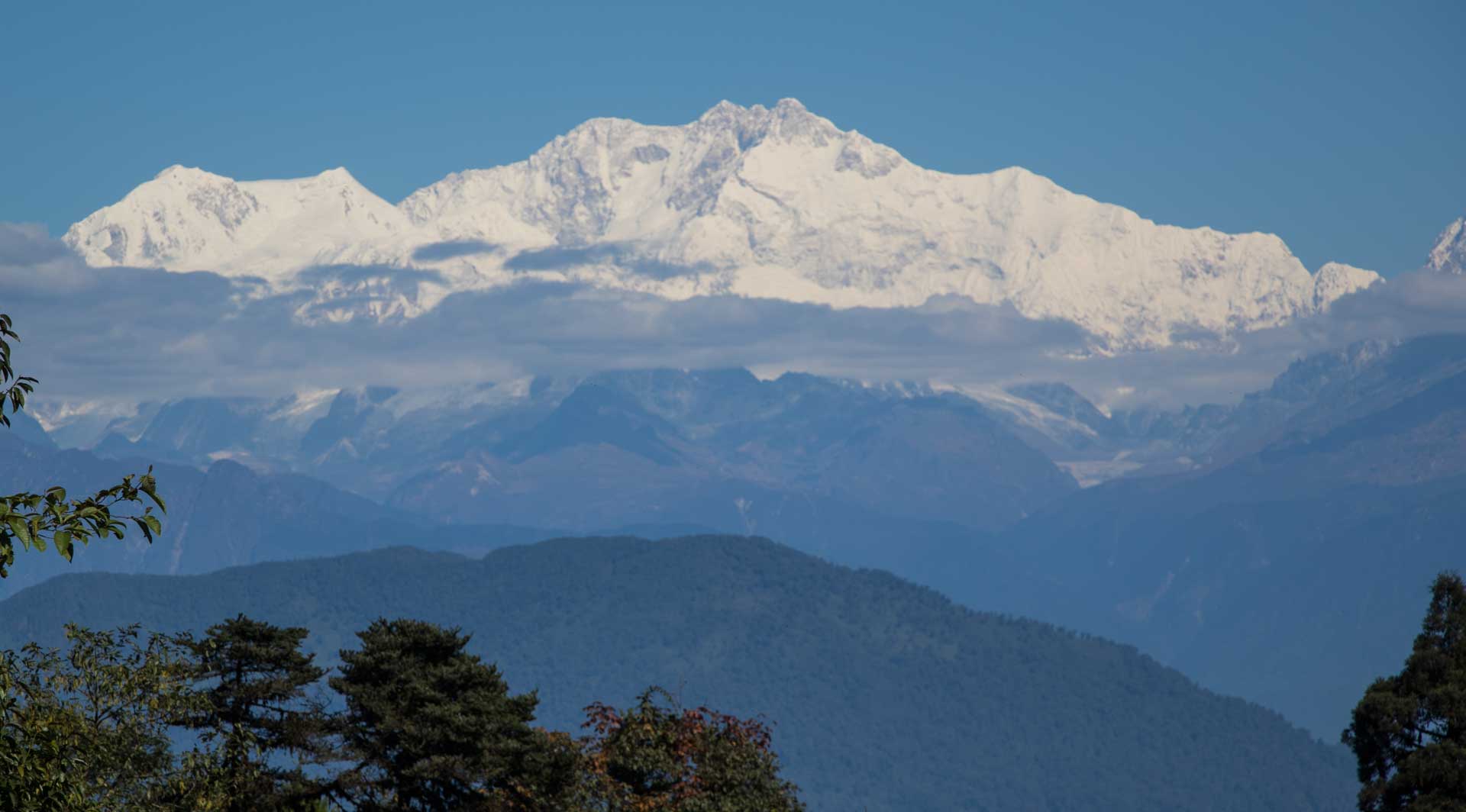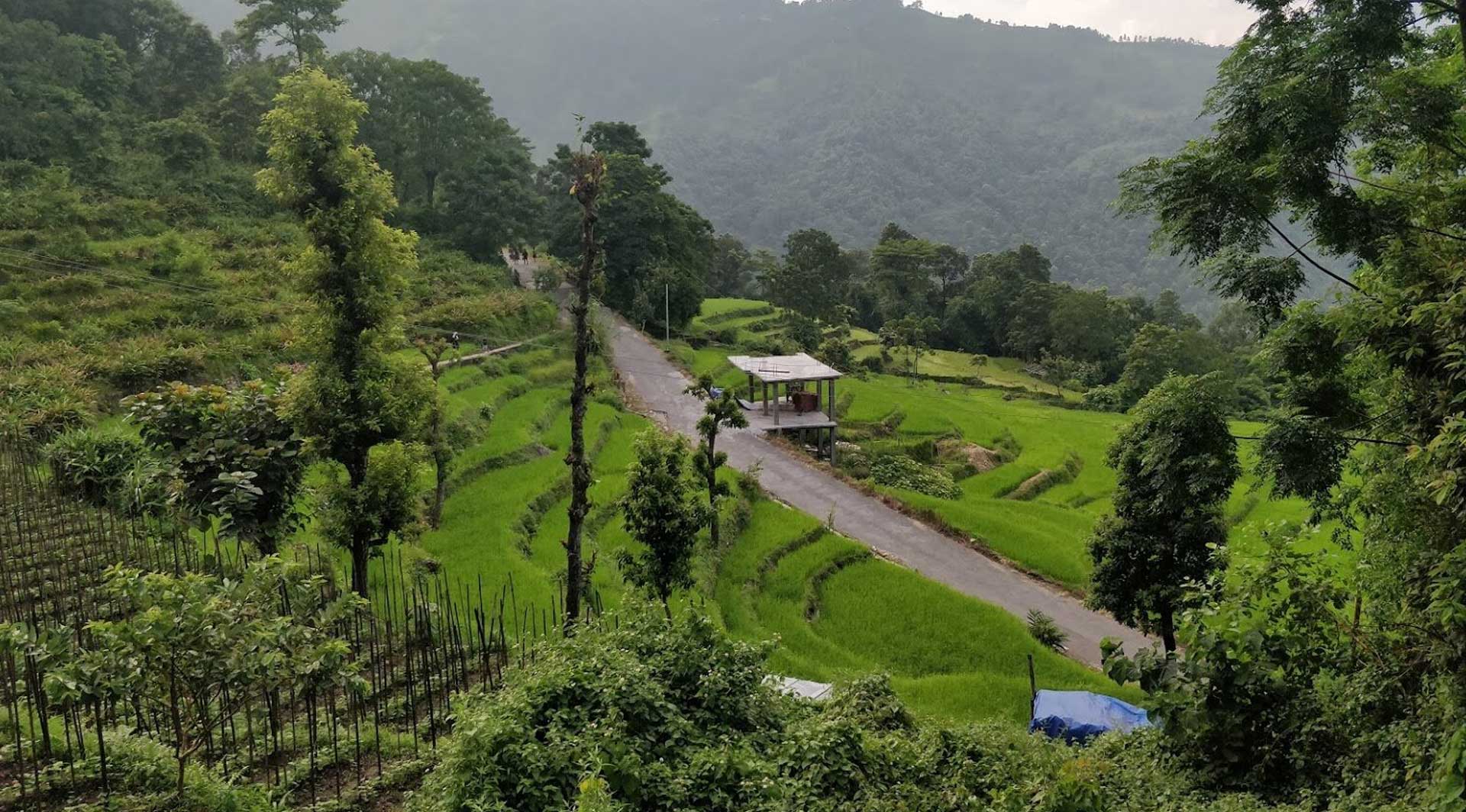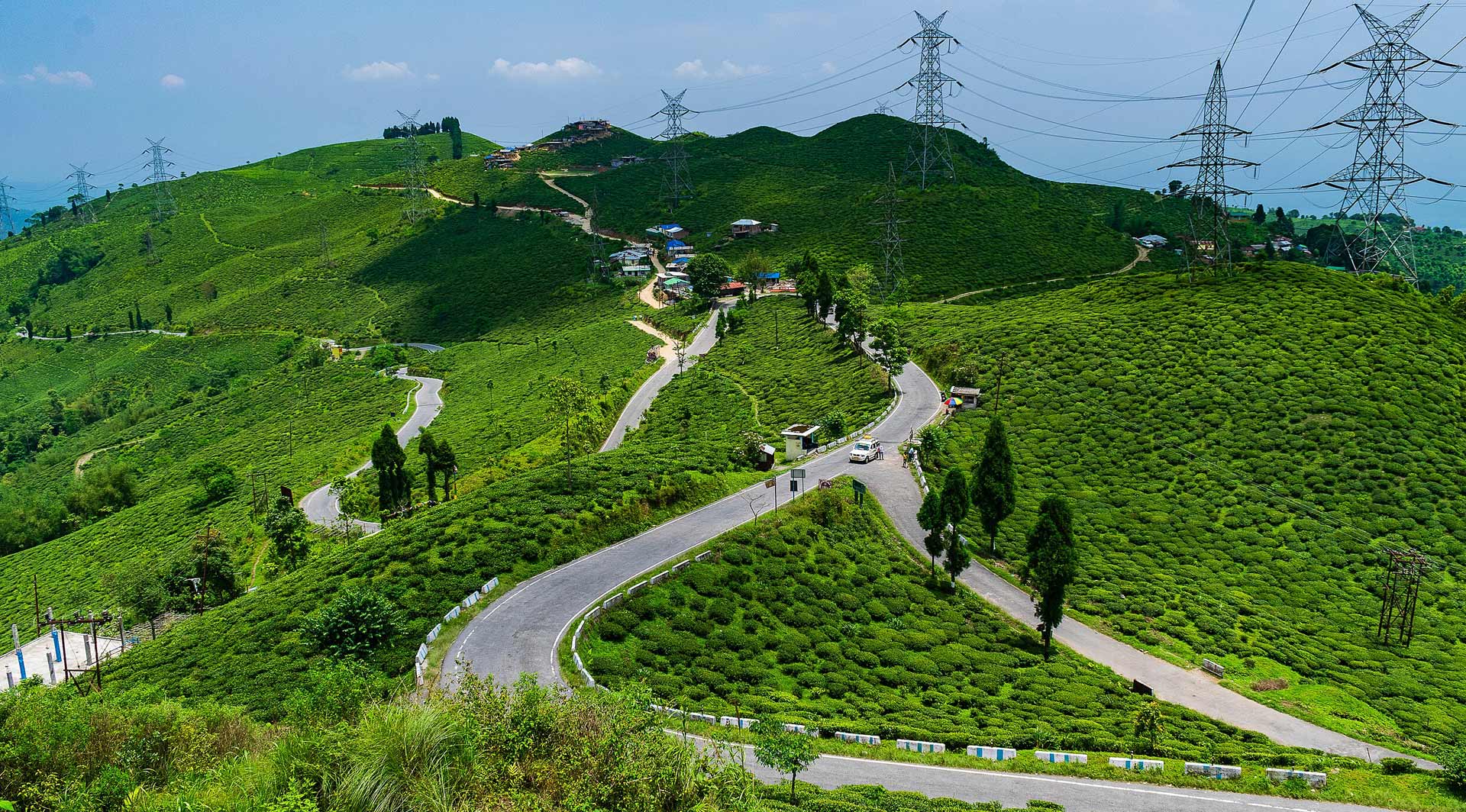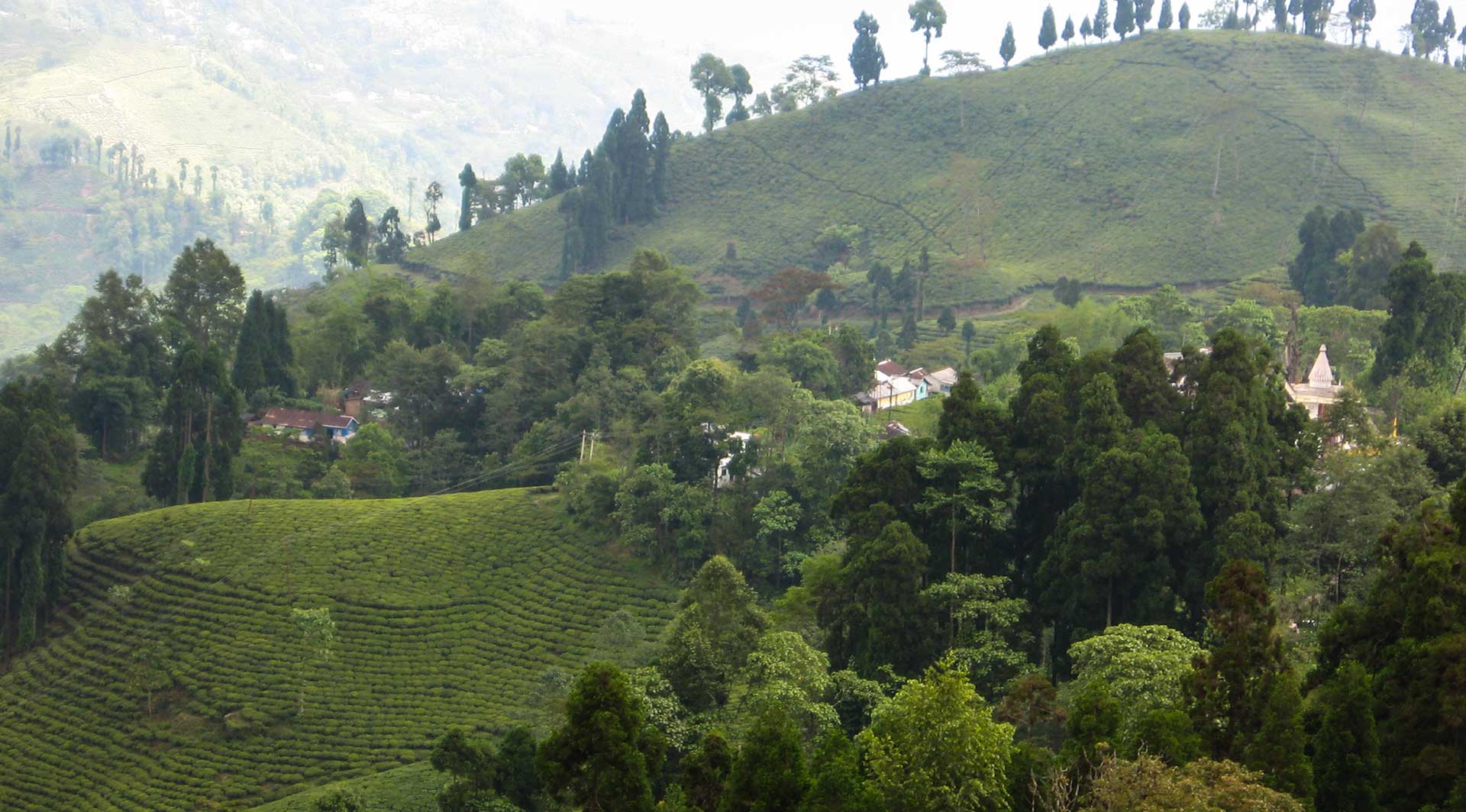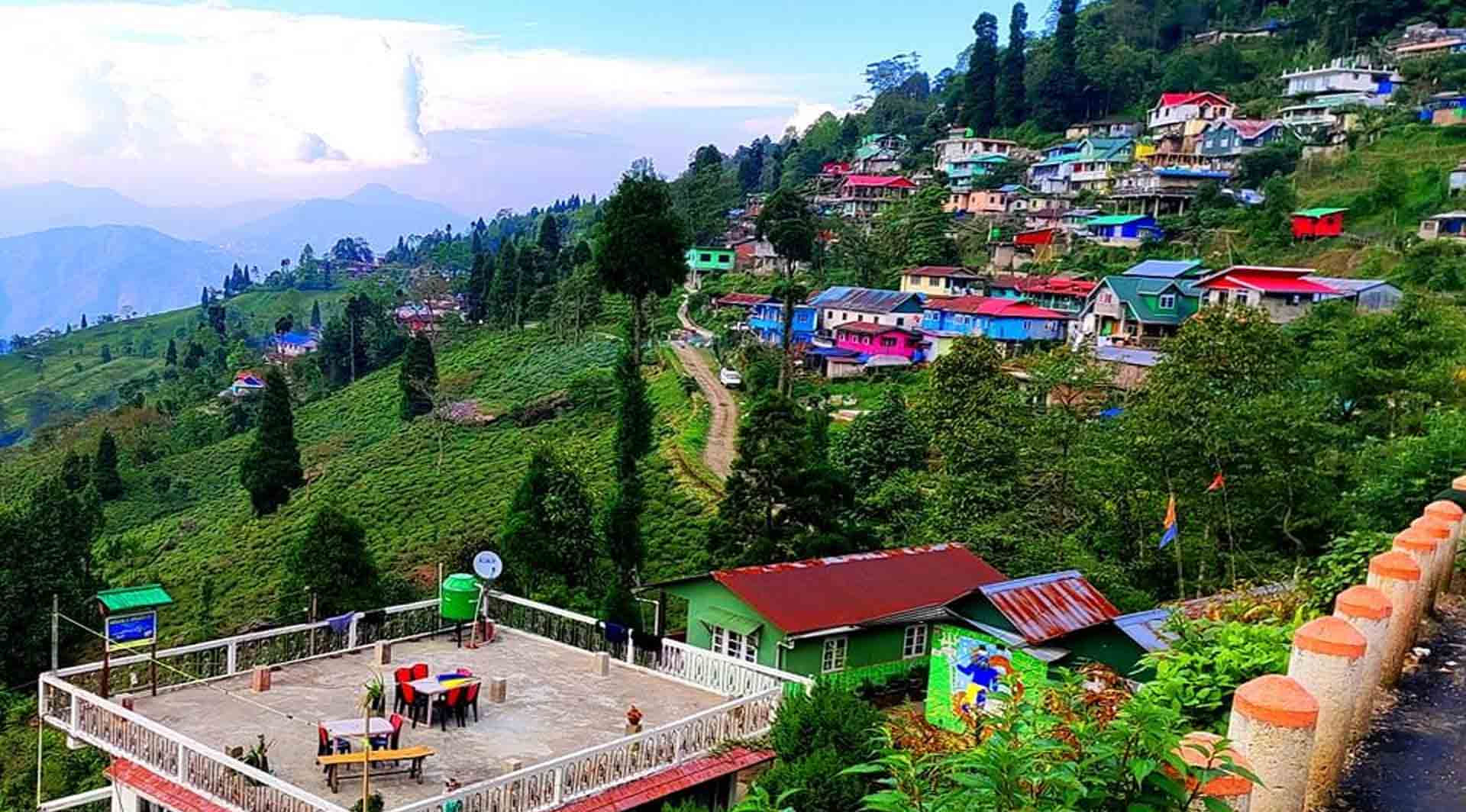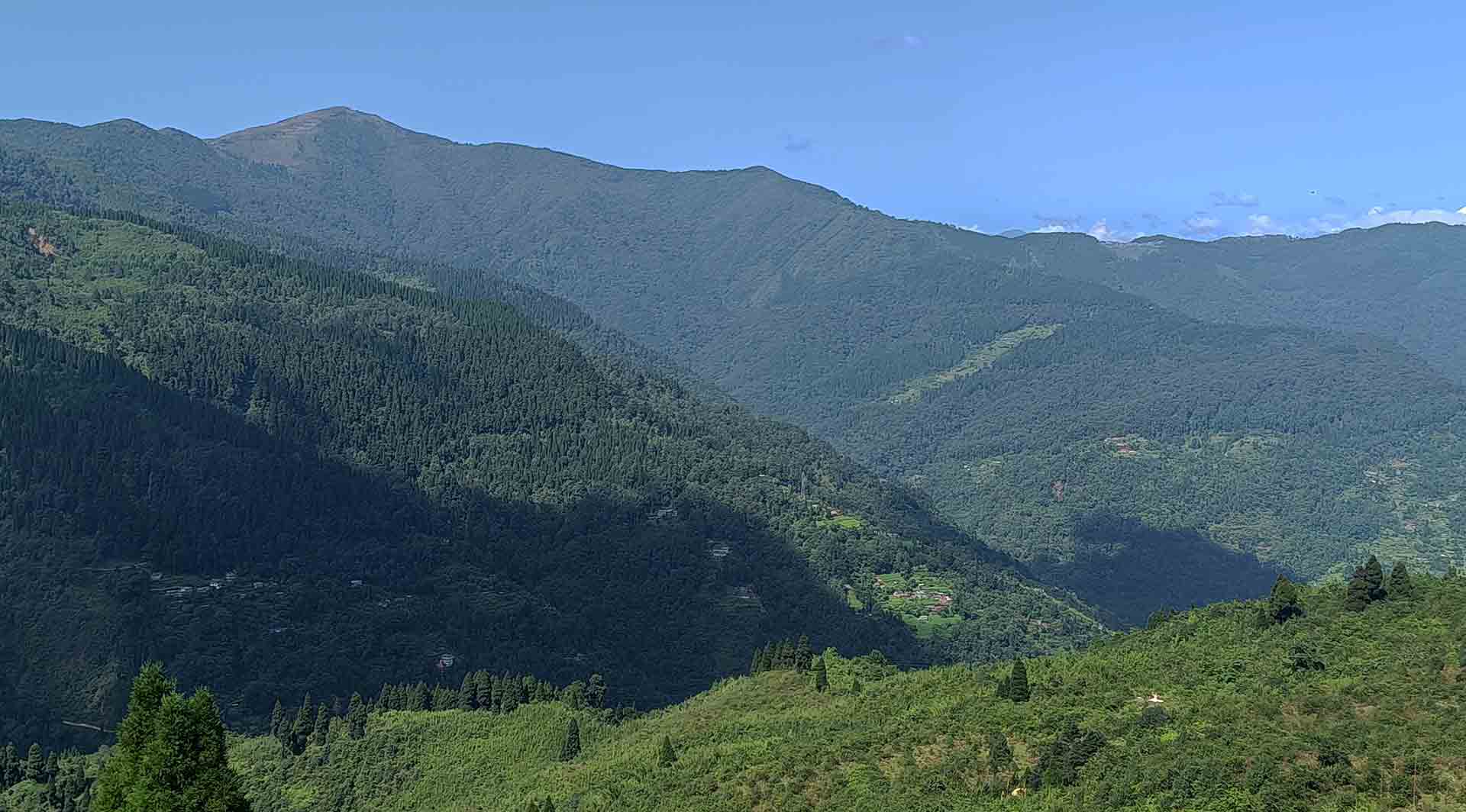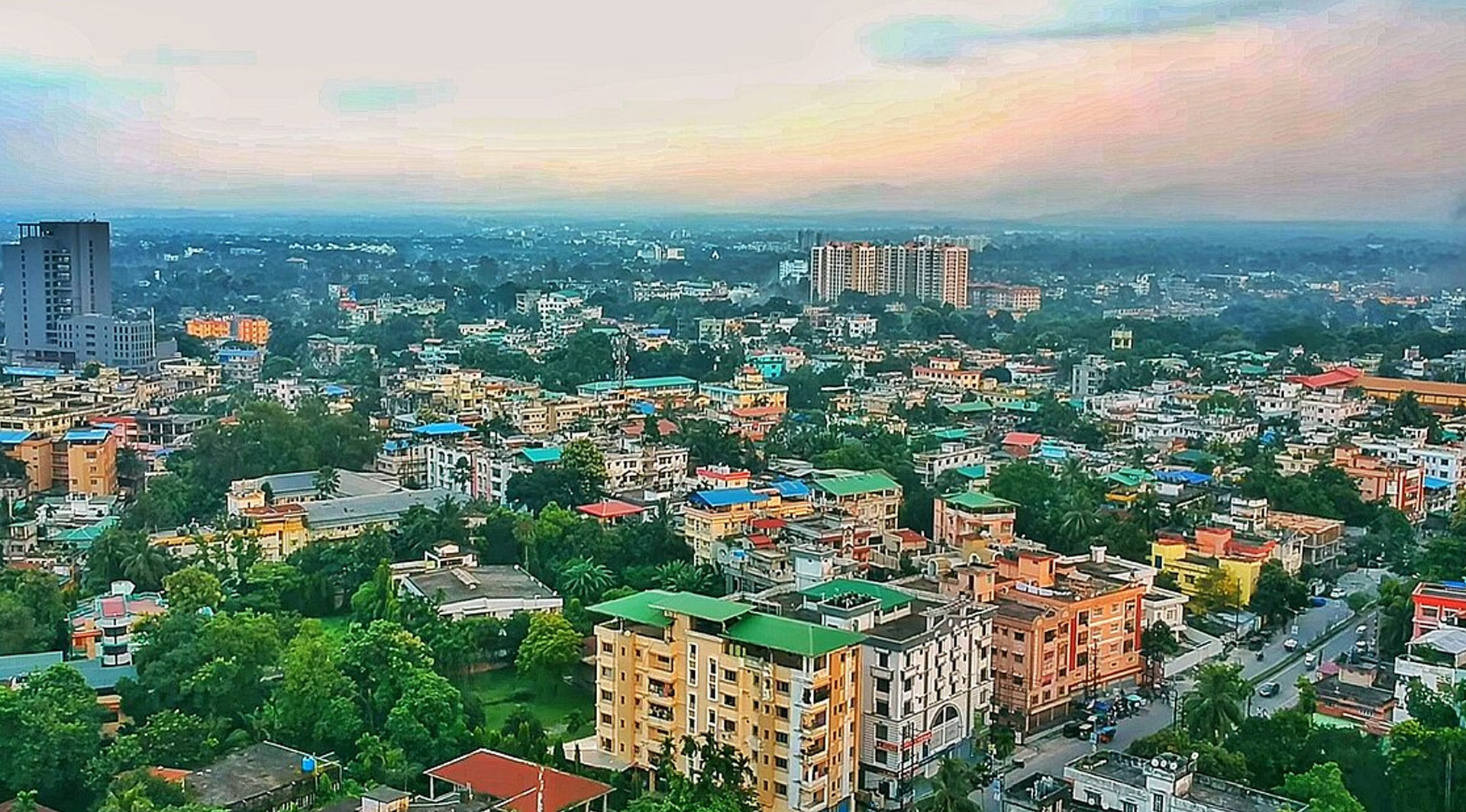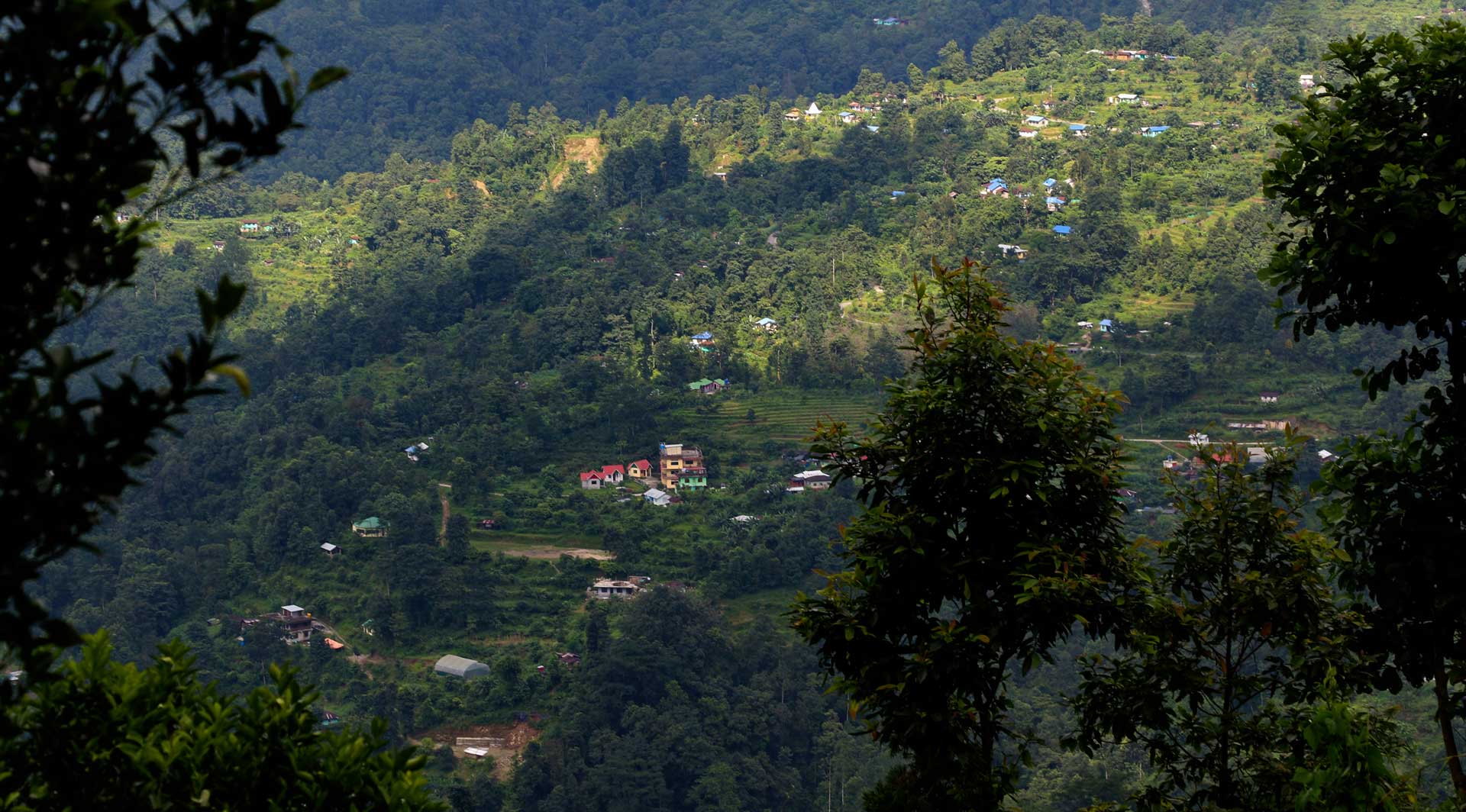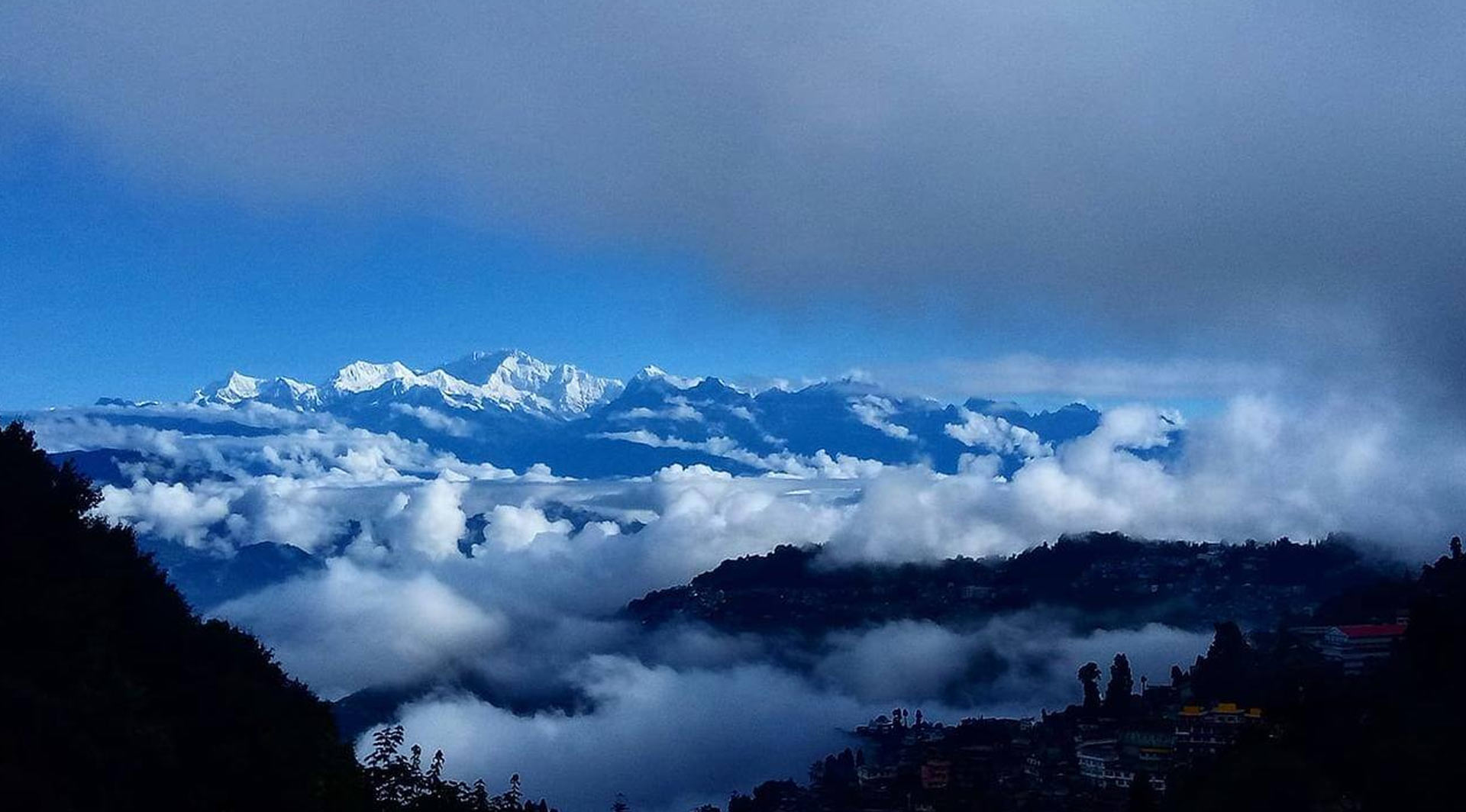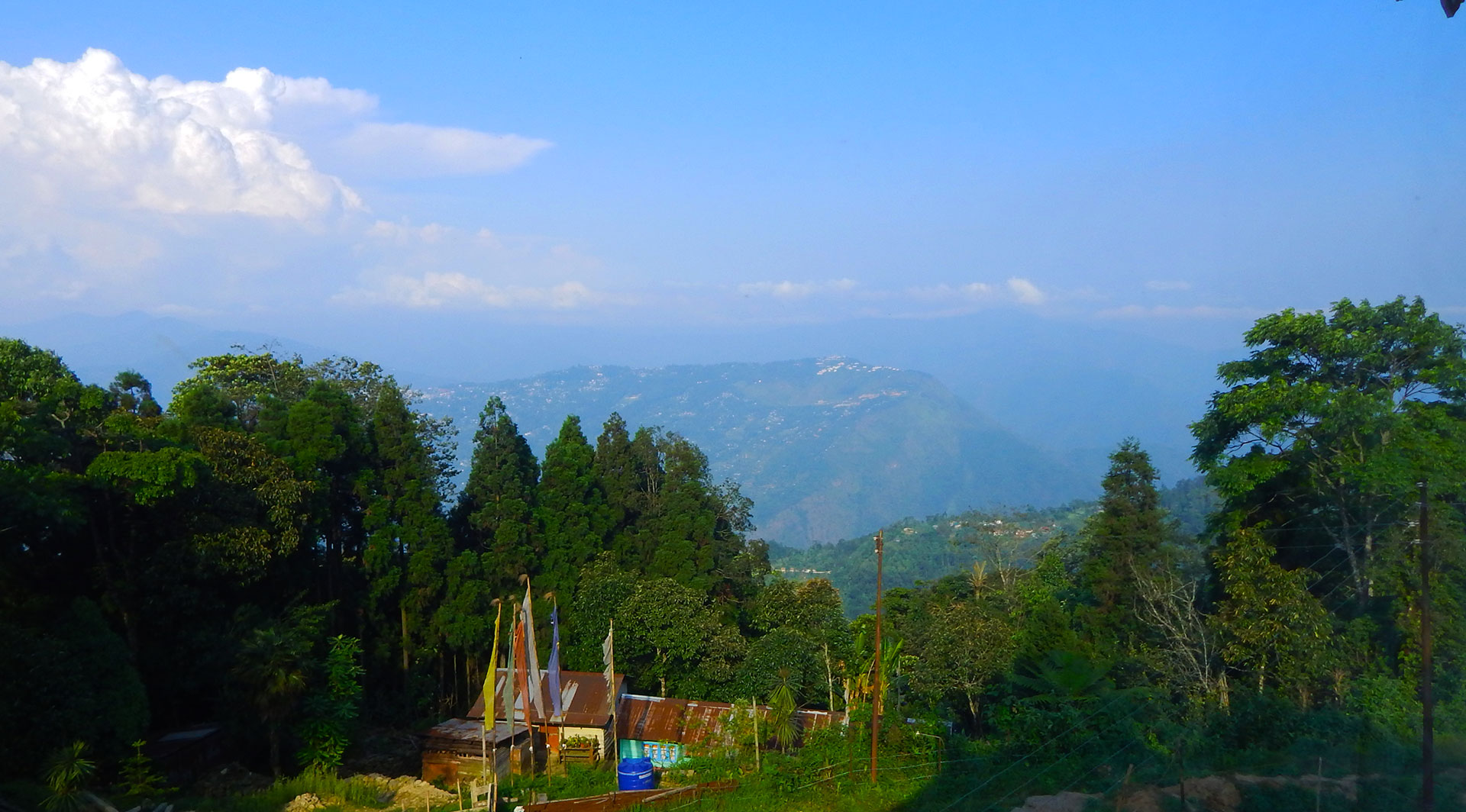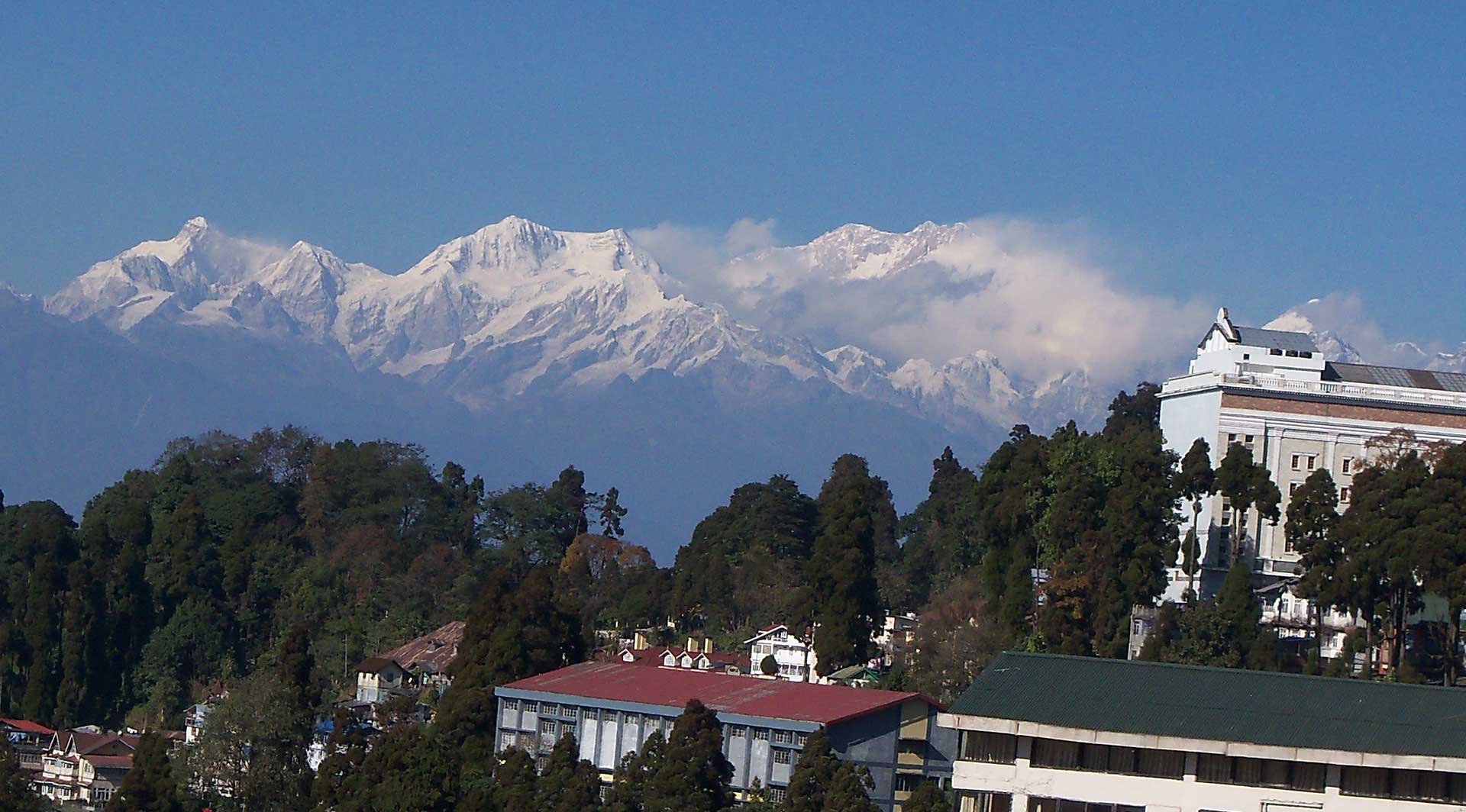
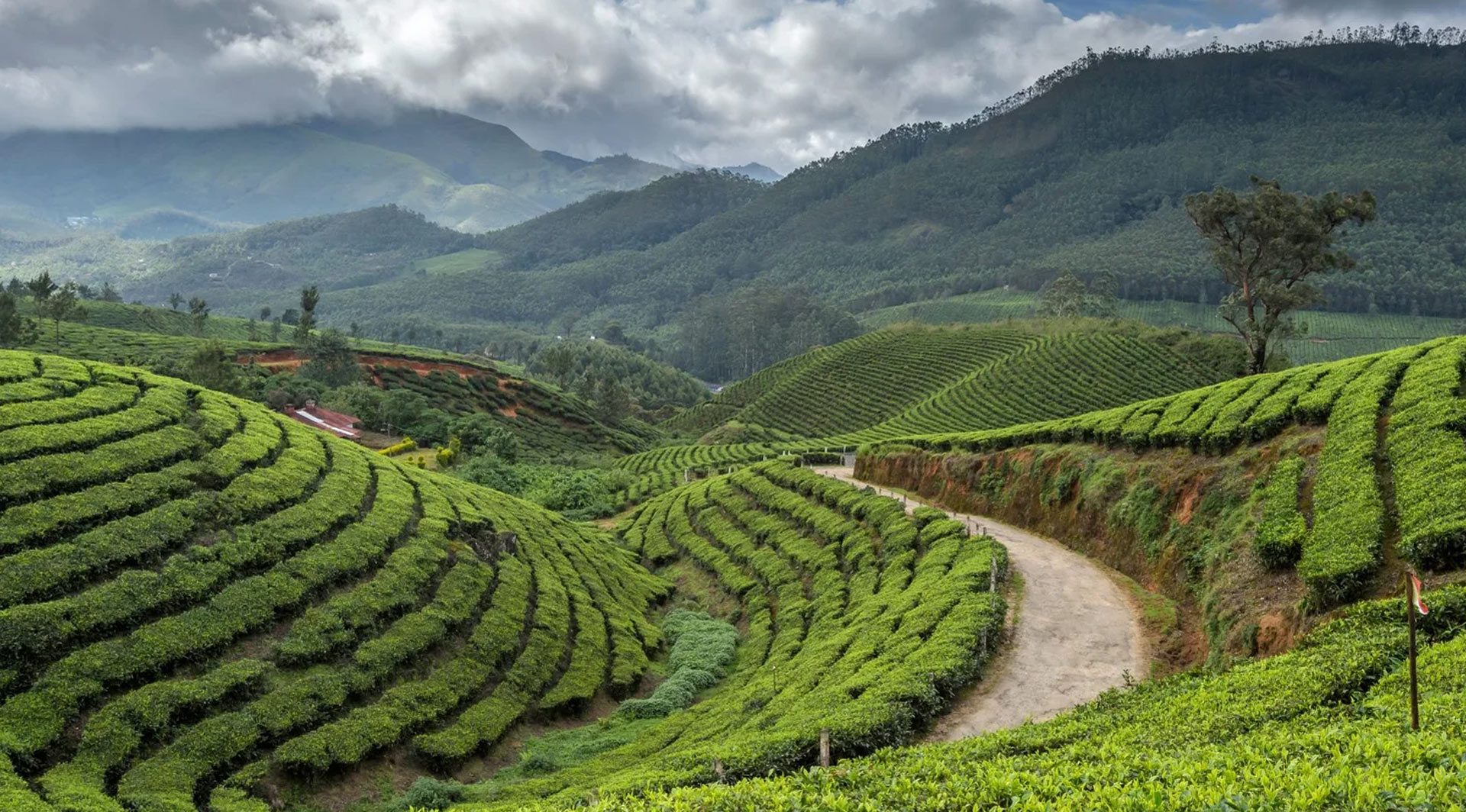
Darjeeling District is one of those rare places where the first glimpse itself feels like a gentle pause button on life. Mist rolls lazily over emerald tea gardens, mountain roads curve like old stories, and the distant snow peaks appear and disappear as if playing hide and seek. Every traveller remembers their first morning here, the smell of fresh tea, the cool air on the face, and that quiet moment when the Kanchenjunga range reveals itself just after sunrise. Darjeeling is not just a destination; it is a feeling that grows on you slowly and stays long after you leave.
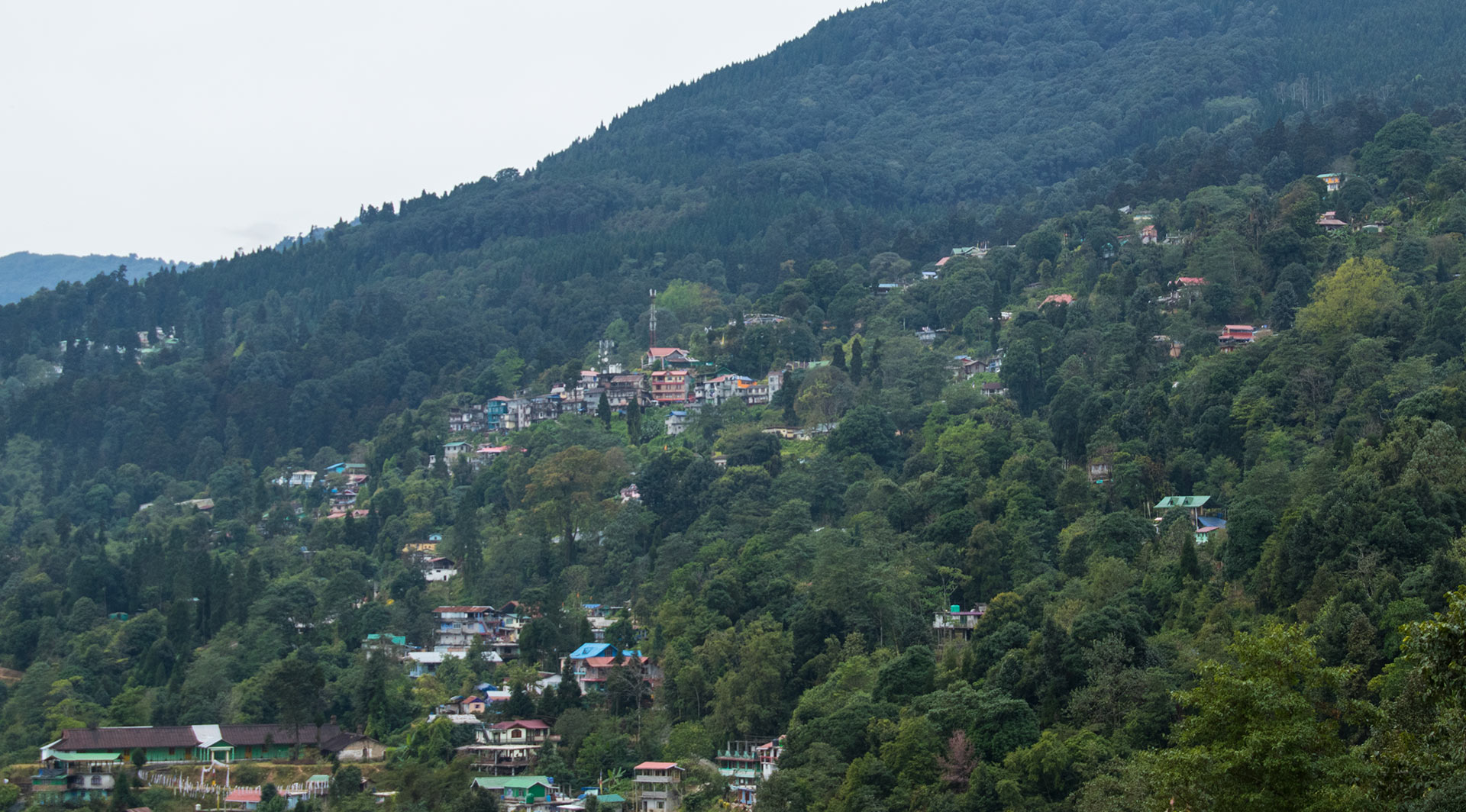
Darjeeling District lies in the northern part of West Bengal along the lower slopes of the Eastern Himalayas. It shares borders with Sikkim, Nepal, Bhutan and Bangladesh, making it a culturally rich and geographically significant region. The district is a blend of rolling tea estates, dense forests, high altitude villages and bustling hill towns. It is both a heritage landscape shaped by colonial history and an eco sensitive region known for biodiversity, forests and mountain ecosystems.
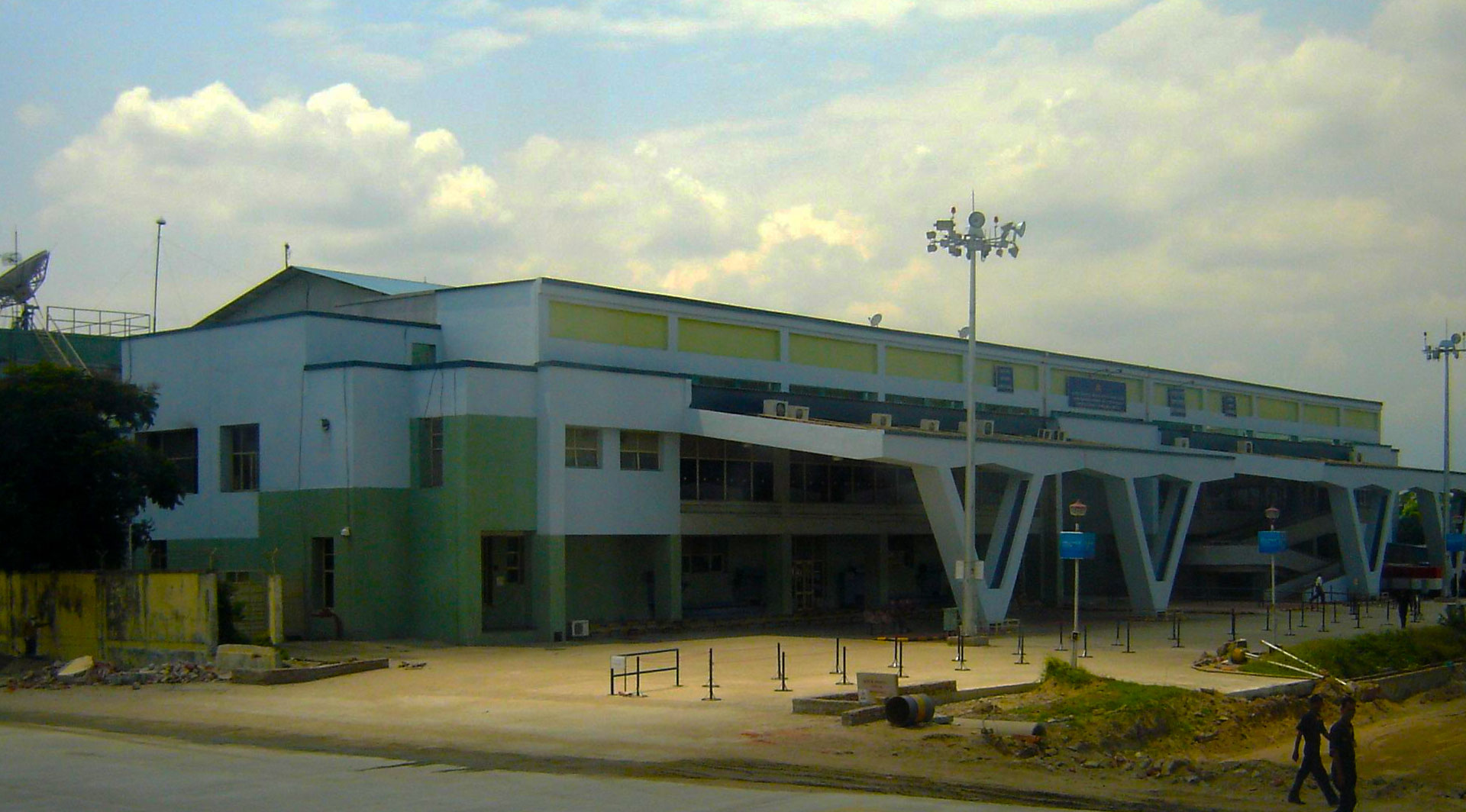
Darjeeling District is best accessed via Siliguri, which acts as the main gateway to the hills. New Jalpaiguri railway station is the nearest major railhead, well connected with Kolkata, Delhi and other Indian cities. Bagdogra airport near Siliguri offers regular flights from major metros. From Siliguri, the hill roads lead upward to Darjeeling town and the surrounding areas. Darjeeling town is around three hours by road, depending on traffic and weather. The roads are scenic but winding, and landslides may slow travel during monsoon months. The iconic Darjeeling Himalayan Railway toy train also connects New Jalpaiguri and Siliguri to Darjeeling, offering a nostalgic and memorable journey.
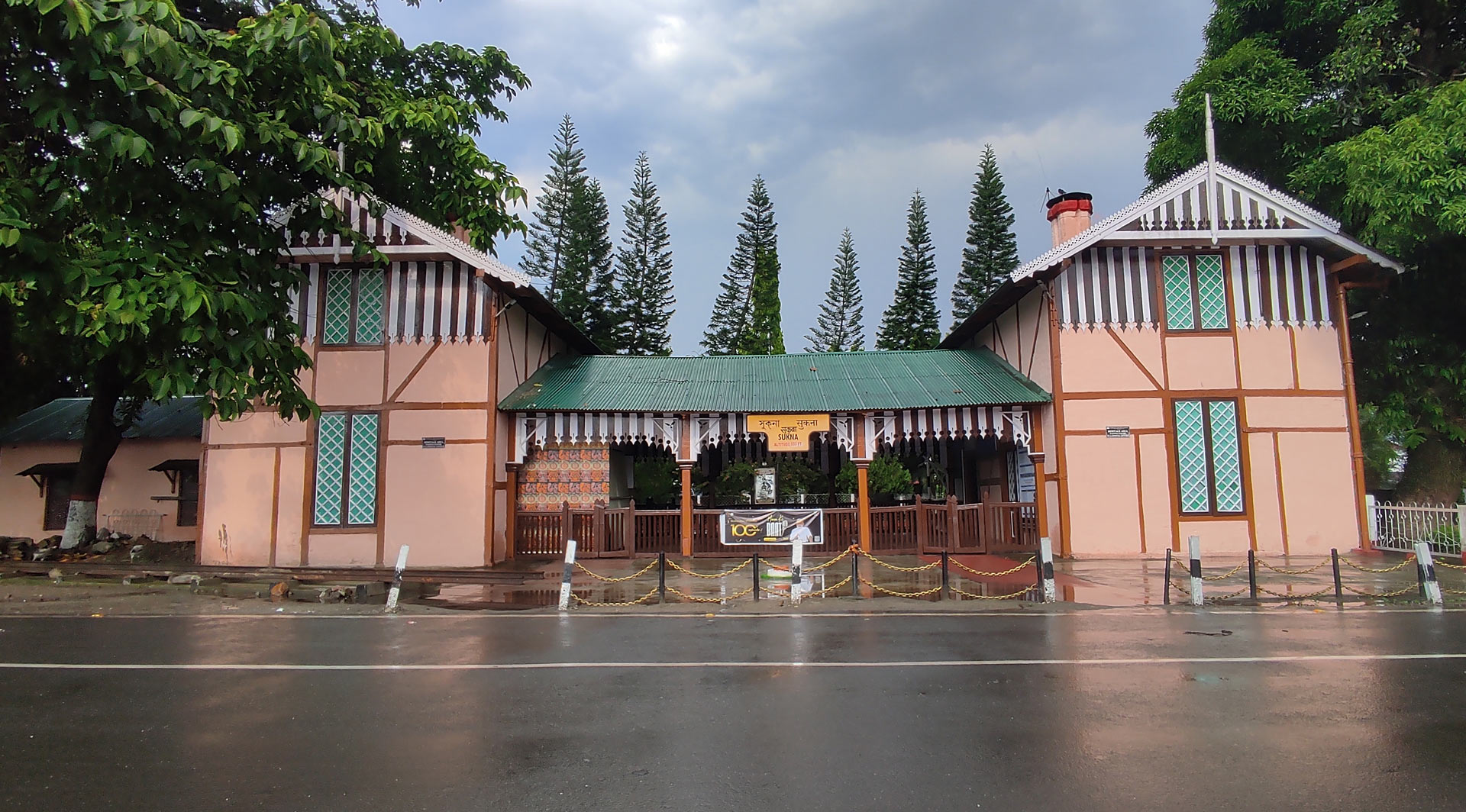
Darjeeling town remains the heart of the district with landmarks like Tiger Hill, famous for sunrise views over Kanchenjunga and, on clear days, Mount Everest. The Batasia Loop combines engineering charm with panoramic views and a quiet war memorial. Himalayan Mountaineering Institute and Padmaja Naidu Himalayan Zoological Park reflect the region's mountaineering heritage and conservation efforts. Peace Pagoda offers calm moments with sweeping valley views while the bustling Chowrasta Mall Road remains the social soul of the town. Beyond the town, places like Mirik with its lake and tea gardens and the forested areas of Sukna and Senchal add depth to the district experience.
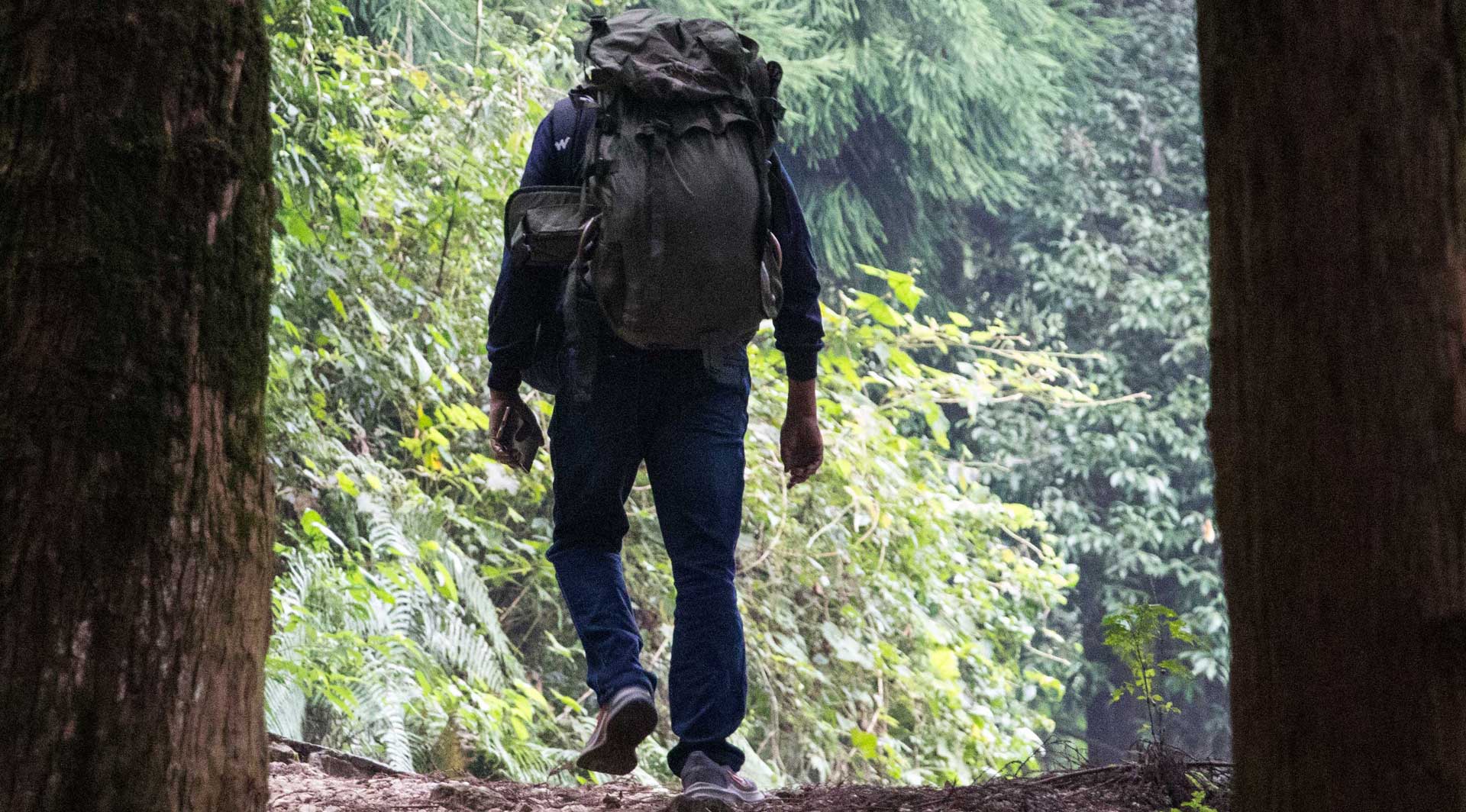
Darjeeling District invites slow, immersive travel. Walking through tea gardens and learning how the world's most celebrated teas are grown is a must. Nature lovers enjoy birdwatching, forest walks, and short hikes around Senchal Wildlife Sanctuary. Cultural walks through old neighbourhoods, monasteries and markets reveal the everyday rhythm of hill life. Photographers find endless inspiration in shifting light, monsoon clouds and winter snow lines. Seasonal festivals, village visits and heritage train rides add layers to the experience.
The culture of Darjeeling District is shaped by Nepali, Lepcha Bhutia, Tibetan and Bengali communities living together for generations. Buddhism, Hinduism and Christianity coexist naturally. Losar Tibetan New Year, Buddha Jayanti, Dashain and Tihar are celebrated with warmth and community spirit. Visitors are welcomed kindly, but modest clothing and quiet behaviour near monasteries and respect for local customs are always appreciated. A friendly smile and simple greetings go a long way here.
Kalimpong lies around two hours from Darjeeling and offers flower nurseries, colonial architecture and river valley views. Mirik is about one and a half hours away, known for its serene lake and relaxed atmosphere. Kurseong, around one hour from Darjeeling, blends tea gardens, forests and heritage charm. Each of these destinations adds a different flavour to a Darjeeling District journey and can easily be explored as day trips or short stays.
Darjeeling District experiences cool, pleasant weather for most of the year. March to May offers blooming flowers, clear skies, and comfortable temperatures. June to September brings monsoon rains, transforming the landscape into deep green beauty, though travel can be slower. October to November is ideal for mountain views, festivals and photography. Winter from December to February is cold, especially at night, but offers crisp air and quiet charm with occasional snowfall in higher areas.
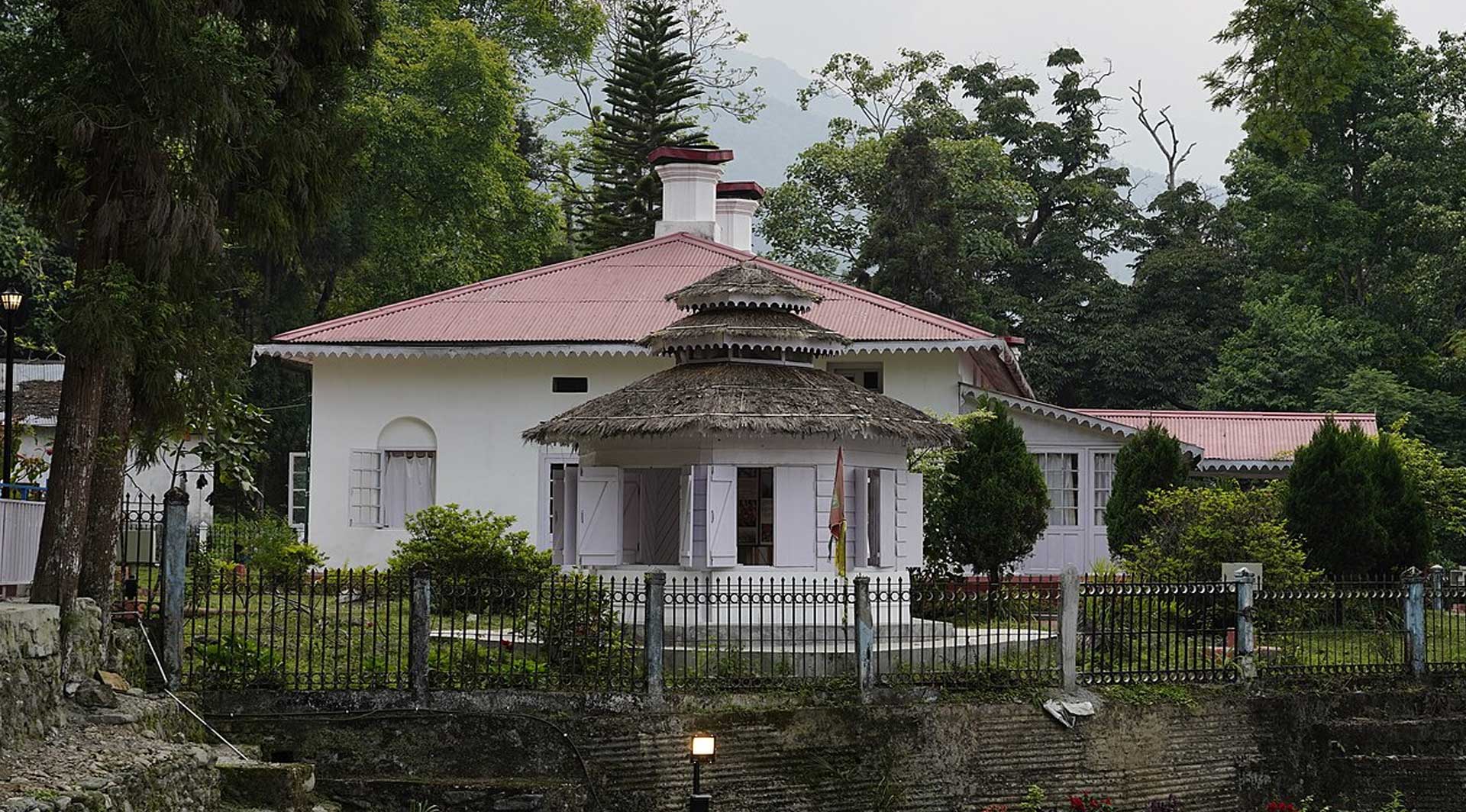
Darjeeling District offers a wide range of accommodation, including heritage hotels, cosy homestays, tea garden stays, eco lodges, and resorts. Staying closer to tea estates or quieter villages often provides a more authentic experience than crowded town centres. For curated stays, reliable bookings, and personalised accommodation planning, travellers are encouraged to contact NBTT Travel Solution Private Limited at +919733300696 for expert guidance.
Food in the Darjeeling District reflects its multicultural roots. Nepali, Tibetan and Bengali flavours dominate everyday meals. Momos, thukpa, simple dal bhaat, Tibetan breads and hearty soups are common. Tea garden lunches offer fresh seasonal vegetables and comforting home-style cooking. Local bakeries, colonial era cafes and small eateries add charm to every meal.
Darjeeling District is environmentally sensitive, and travellers should minimise plastic waste, avoid littering and respect wildlife habitats. Staying on marked trails, supporting local businesses and conserving water are small actions that make a big difference. Photography in villages or monasteries should be done only after permission. Responsible travel helps preserve the fragile beauty of the hills for future generations.
Most travellers find three to five days ideal to explore the Darjeeling District comfortably. The region is generally safe for tourists, though weather-related delays are common during the monsoon. Mobile networks work in towns but may be weak in remote areas. ATMs and medical facilities are available in Darjeeling town, Siliguri and Kalimpong. Nepali, Hindi, English and Bengali are commonly understood, making communication easy.
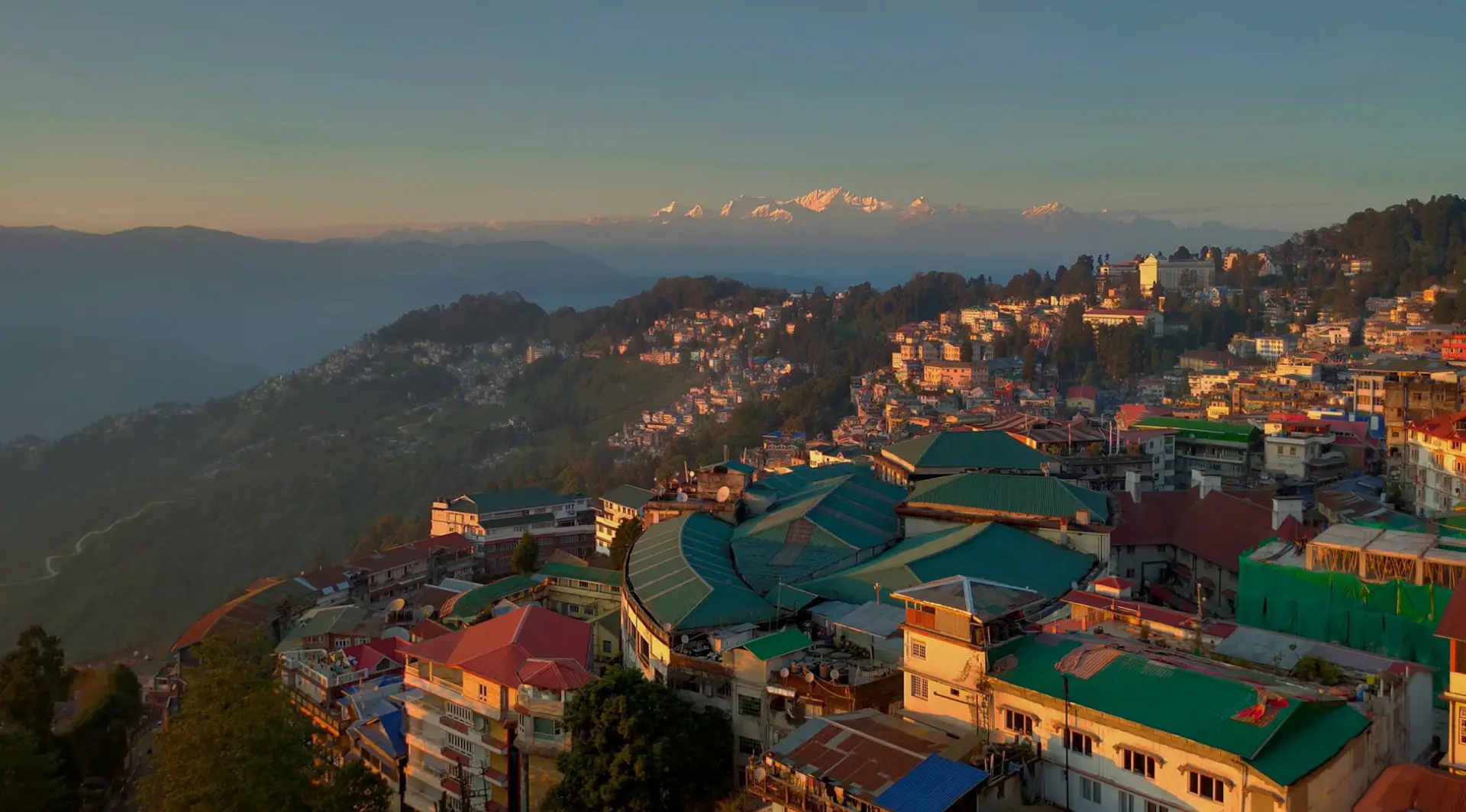
2N Darjeeling
Experience Darjeeling this weekend. Bagdogra is just a couple of hours' drive away from most major cities in India. From Kolkata, NJP is just an overnight journey. So take a Friday off and spend your weekend at Darjeeling with us.

1N Mirik - 2N Darjeeling - 1N Kalimpong - 1N Rishyap - 1N Loleygaon
This tour takes you across the Darjeeling Kalimpong hills, you start at Mirik and cross over to Kalimpong via Darjeeling. Your last night is at Loleygaon, which is in the eastern part of the Kalimpong district.
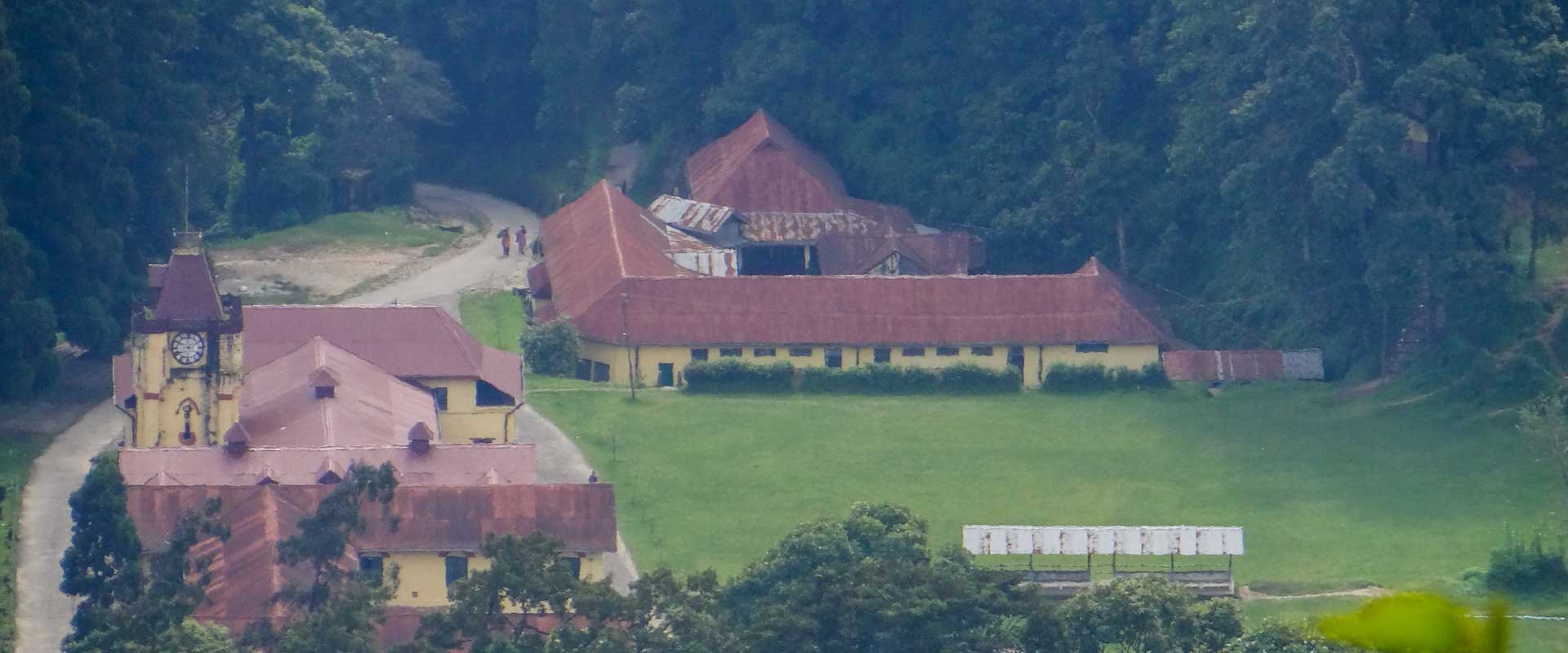
Darjeeling (2), Kalimpong (1)
A 3N/4D Kalimpong–Darjeeling tour covering Deolo Hill, Durpin Monastery, Pine View Nursery, Tiger Hill sunrise, Ghoom Monastery, Batasia Loop, Himalayan Zoo, HMI and Happy Valley Tea Estate with transfers.

Kalimpong 1, Gangtok 2, Darjeeling 2
A 6-day Kalimpong Gangtok Darjeeling tour covering Kalimpong sightseeing, Tsomgo Lake excursion with optional Nathula, transfers through Teesta Valley, Darjeeling sunrise tour and a complete Darjeeling city itinerary.

2N Darjeeling - 3N Gangtok - 1N Lachen - 1N Lachung
This package tour offers a complete Darjeeling Gangtok North Sikkim tour plan covering city sightseeing Tsongo Lake Gurudongmar Lake Yumthang Valley and the cultural heart of Sikkim in a well paced itinerary
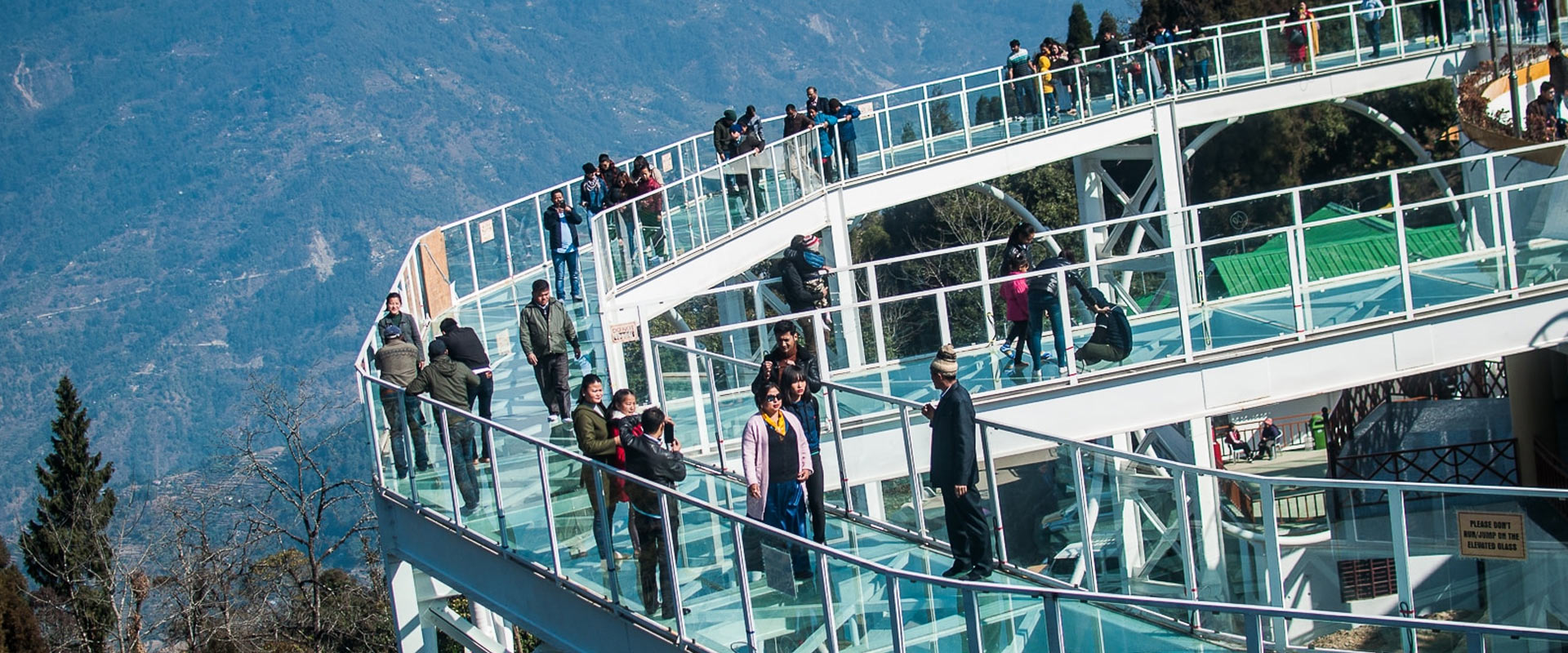
3N Gangtok - 2N Lachung - 2N Pelling - 2N Darjeeling
This package tour presents a carefully designed Gangtok Lachung Pelling Darjeeling tour itinerary covering Tsongo Lake Yumthang Valley North Sikkim villages Pelling heritage sites and classic Darjeeling city sightseeing
Siliguri Office - 19 MN Sarkar Road, Siliguri, West Bengal - 734001 Siliguri, State : West Bengal, Country : India. PIN : 734001
info@north-bengal.com