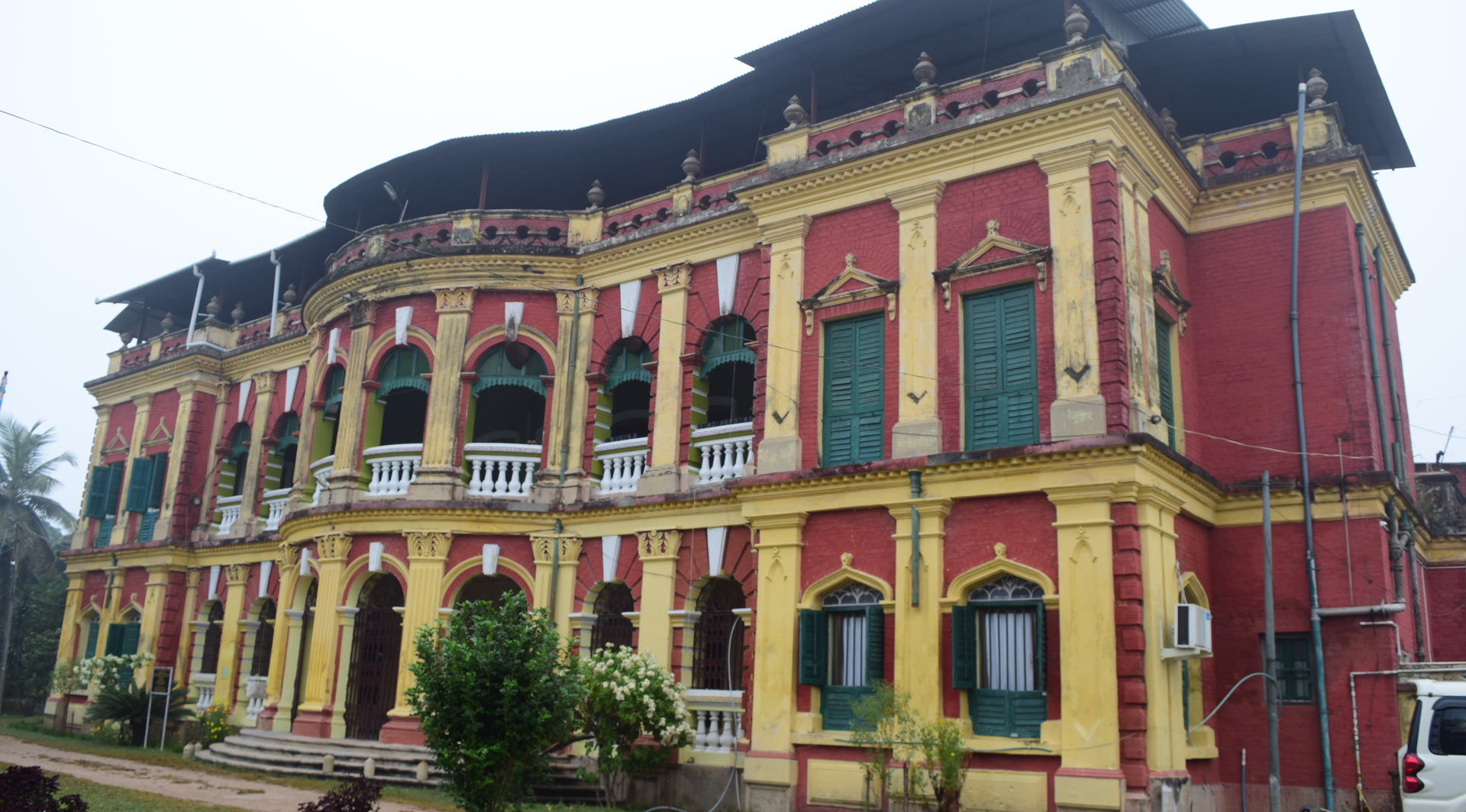
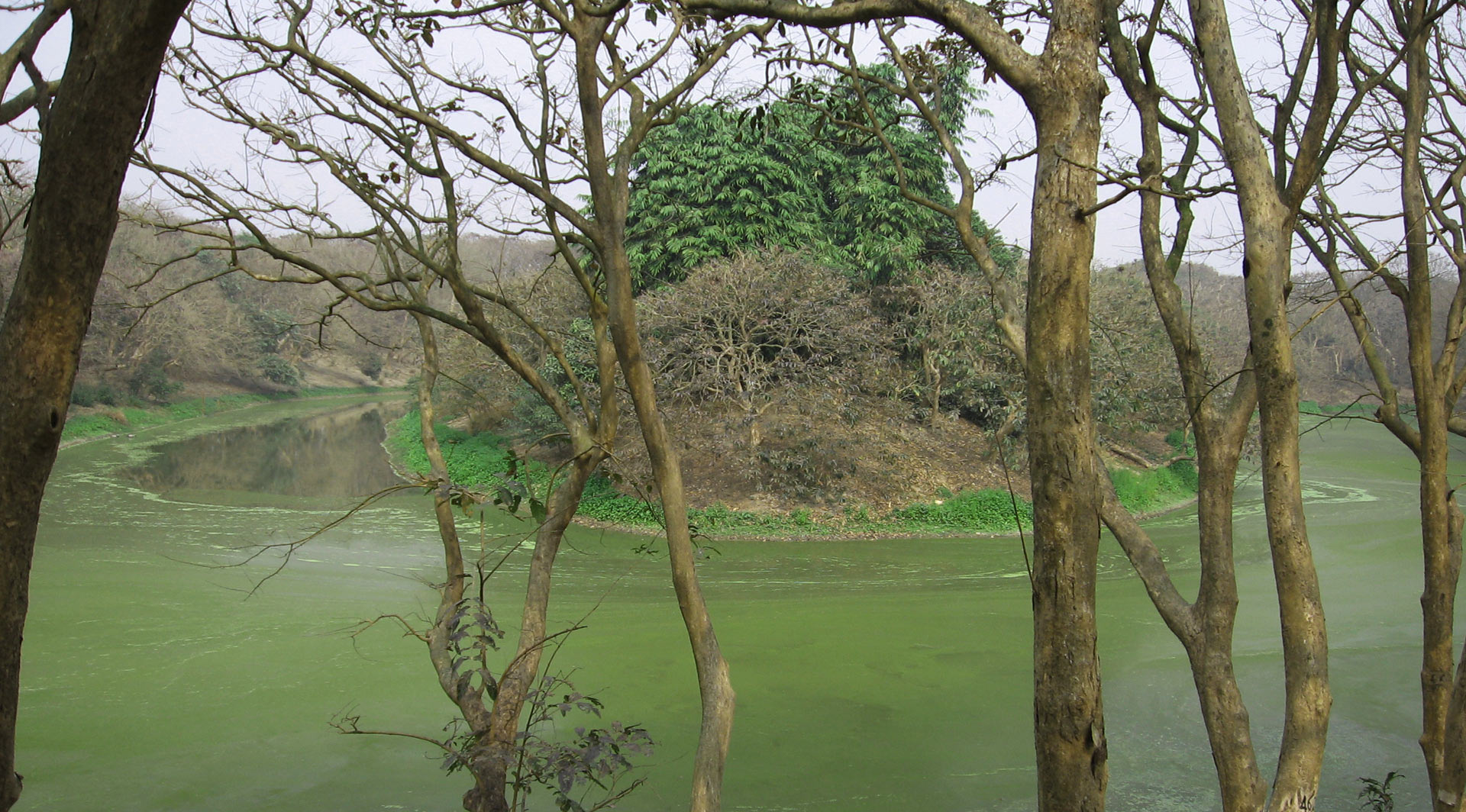
North Dinajpur, officially known as Uttar Dinajpur, is one of North Bengal’s quieter yet culturally layered districts, often passed through but rarely explored in depth. For travellers who enjoy understanding a region beyond postcard attractions, North Dinajpur offers fertile landscapes, borderland history, living craft traditions and one of Asia’s most important bird habitats. It fits beautifully into itineraries covering Siliguri, Malda, Bihar and the Indo-Bangladesh border belt, especially when explored with a knowledgeable tour operator who understands the region’s subtle rhythms.
North Dinajpur came into existence on 1st April 1992 after the division of the old West Dinajpur district into North and South Dinajpur. However, the identity of Dinajpur is far older than its administrative boundaries. The name of the district is believed to have originated from King Danuj, gradually evolving from Danaj to Dinaj. The name Raiganj, the district headquarters, is derived from the Rai crop, a reminder of how deeply agriculture is embedded in the region’s identity.
During the British period, North Dinajpur was declared a disturbed area during the Khilafat Movement, indicating its political significance in the freedom struggle. Before the Partition of Bengal, the district extended into areas that now lie in Bangladesh. Even today, Dinajpur exists as a district across the international border, reflecting centuries of shared history, culture and social ties between the two regions.
Geographically, North Dinajpur occupies a strategic position in North Bengal. It is bordered by Bangladesh to the east, Bihar to the west, Darjeeling and Jalpaiguri districts to the north and Malda to the south. Covering a total area of around 3142 square kilometres, the district is largely flat, fertile and riverine.
The rivers Kulik, Nagar and Mahananda flow through North Dinajpur, enriching the soil and supporting extensive cultivation. Paddy, jute and sugarcane dominate the agricultural landscape, giving travellers sweeping views of green fields, irrigation canals and rural settlements that define everyday life in this part of Bengal.
North Dinajpur is culturally diverse yet socially cohesive. As per the 2011 census, the district has a population of over thirty lakh, with Hindus and Muslims present in almost equal numbers. Raiganj subdivision is predominantly Bengali speaking, while Islampur has a significant Urdu and Hindi speaking population, giving the district a distinctive linguistic mix.
This blend of communities has shaped shared traditions, festivals and food habits that are deeply local yet inclusive. For European travellers, especially, North Dinajpur feels like a living example of cultural coexistence rather than a curated heritage zone. Bengali and Hindi are widely spoken, Urdu is common in Islampur, and basic English is understood in towns and official establishments.
North Dinajpur is well connected by road and rail, making it easy to include in wider North Bengal travel plans. National Highway 27 and National Highway 12 pass through the district, linking it efficiently with Siliguri, Malda, Bihar and Assam.
Raiganj and Islampur are the two main urban centres and transport hubs. Raiganj railway station has direct train connections to Kolkata, Siliguri and Malda, while Islampur is equally well connected by rail and road. For travellers arriving by air, Bagdogra Airport is the nearest major airport, and the road journey to Raiganj usually takes five to six hours, depending on traffic and weather. This accessibility makes North Dinajpur suitable for both short breaks and extended cultural circuits.
Raiganj, the district headquarters, is the natural base for exploring North Dinajpur. It is a functional yet relaxed town with educational institutions, parks and access to the district’s most famous natural attraction. Islampur, the other subdivision headquarters, offers a different cultural flavour with its strong Urdu and Hindi speaking population and proximity to the Bihar and Bangladesh border routes.
Both towns serve as practical stopovers for travellers moving between Malda, Siliguri and Bihar, especially when combined with guided local excursions.
The Kulik Bird Sanctuary near Raiganj is the most significant tourist attraction in North Dinajpur and one of the largest bird nesting sites in Asia. Every winter, thousands of migratory birds, particularly open-billed storks, arrive here to nest, turning the area into a spectacular natural theatre.
For birdwatchers, wildlife photographers and nature enthusiasts from India and Europe, Kulik is a must-visit. The sanctuary is especially rewarding during early mornings and late afternoons, offering close yet respectful encounters with birdlife without the heavy crowds found in more commercial wildlife destinations.
Sap Nikla forest, located about twenty-two kilometres from Islampur, provides another nature-based experience. With a lake and surrounding forest, it is ideal for relaxed sightseeing, short walks and quiet picnics, particularly suited for families and travellers who prefer gentle nature experiences over intense adventure.
North Dinajpur carries layers of religious and mythological significance. Karnajora, near Raiganj, derives its name from Karna, the legendary figure from the Mahabharata. The Karnajora Museum and Park is an important cultural stop, showcasing regional history, folklore and archaeological artefacts that help visitors understand the district beyond surface impressions.
Burhana Fakir Mosque is a revered Islamic site reflecting the district’s Sufi heritage and attracting devotees as well as culturally curious travellers. Goddess Kali temple at Baira and Goddess Bhairabi temple at Bindore are important Hindu pilgrimage centres, especially during festive periods. These sites offer insight into the spiritual fabric of the region, where faith remains an integral part of daily life rather than a tourist performance.
Kunore and Malgaon villages are well known for their terracotta pottery and traditional craftsmanship. Visiting these villages allows travellers to witness artisans shaping clay using techniques passed down through generations. These rural craft experiences are particularly appealing to European travellers interested in heritage crafts, sustainable livelihoods and authentic cultural exchange.
Farm landscapes around Hemtaba and Samaspur also offer glimpses into rural Bengal life, where agriculture, community bonds and seasonal rhythms define everyday existence.
While North Dinajpur is not a resort-heavy destination, it offers a few leisure-oriented stays that blend well with the region’s character. Banabithi Resort at Barui in Barduari provides a quiet retreat amidst greenery, while the farmhouse at Samaspur in Hemtaba offers a rural stay experience. These places are best enjoyed as part of a planned itinerary that combines nature, culture and short excursions rather than as standalone luxury breaks.
North Dinajpur can be visited throughout the year, but the most pleasant period is from October to March. Winters are ideal for birdwatching at Kulik Sanctuary and for exploring villages and heritage sites comfortably. Summers are warm but manageable, while the monsoon season transforms the landscape into lush green expanses, though travel planning needs to be more careful due to rainfall and road conditions.
North Dinajpur is a destination that reveals its true charm only when explored with context and local knowledge. Routes, seasons, festivals and distances matter here, and random travel planning often misses the essence of the region. This is where an experienced tour operator becomes invaluable.
NBTT Travel Solution Private Limited specialises in North Bengal destinations and understands how North Dinajpur fits into broader itineraries covering Siliguri, Malda, Dooars, Darjeeling and border region circuits. Whether it is a birding tour at Kulik, a cultural trail through craft villages, or a slow-paced rural exploration, their local expertise ensures smooth logistics and meaningful experiences.
For customised itineraries, guided sightseeing and reliable travel arrangements in North Dinajpur, travellers are encouraged to contact NBTT Travel Solution Private Limited at +919733300696. With the right guidance, North Dinajpur transforms from a transit district into a destination worth lingering in.
Siliguri Office - 19 MN Sarkar Road, Siliguri, West Bengal - 734001 Siliguri, State : West Bengal, Country : India. PIN : 734001
info@north-bengal.com
