South Dinajpur has a gentle way of introducing itself. There are no dramatic landscapes or loud tourist hubs here. Instead, you are welcomed by green fields stretching endlessly, calm rivers flowing beside village roads and towns that still breathe clean air and unhurried mornings. As a traveller, you soon realise that South Dinajpur is not about rushing from one attraction to another but about settling into a rhythm shaped by agriculture, history and everyday life. Sitting by a riverbank at dusk or walking through a quiet town like Balurghat, you feel a sense of calm that is increasingly rare and deeply reassuring.
South Dinajpur, also known as Dakshin Dinajpur, is located in the northern part of West Bengal and came into existence in April 1992 after the division of the old West Dinajpur district into North and South Dinajpur. The district lies at an average altitude of about 30 metres above sea level and shares its eastern boundary with Bangladesh, making it an important border region both culturally and historically. The land is flat, fertile, and river-fed fed with agriculture forming the backbone of local life. Four major rivers Brahmani, Atreyee, Tangon and Punarbhaba, flow through the district, sustaining farming communities and a large population of fishermen. Historically, this region flourished under the Pal and Sen dynasties, and archaeological evidence suggests a highly developed civilisation existed here long before modern boundaries were drawn.
South Dinajpur is best accessed by road and rail. Balurghat, the district headquarters, serves as the primary entry point. The nearest major railway station is Malda Town, located about seventy-six kilometres away from Balurghat with regular train connections to Kolkata and other parts of Bengal. From Malda, the road journey to Balurghat takes around two hours. For travellers arriving from North Bengal or the Northeast, the nearest airport is Bagdogra, situated approximately one hundred seventy kilometres away. Road travel from Siliguri or Bagdogra generally takes six to seven hours, depending on traffic and weather conditions. Roads within the district are mostly good, though rural stretches may slow travel, which adds to the relaxed pace of exploration rather than posing real difficulty.
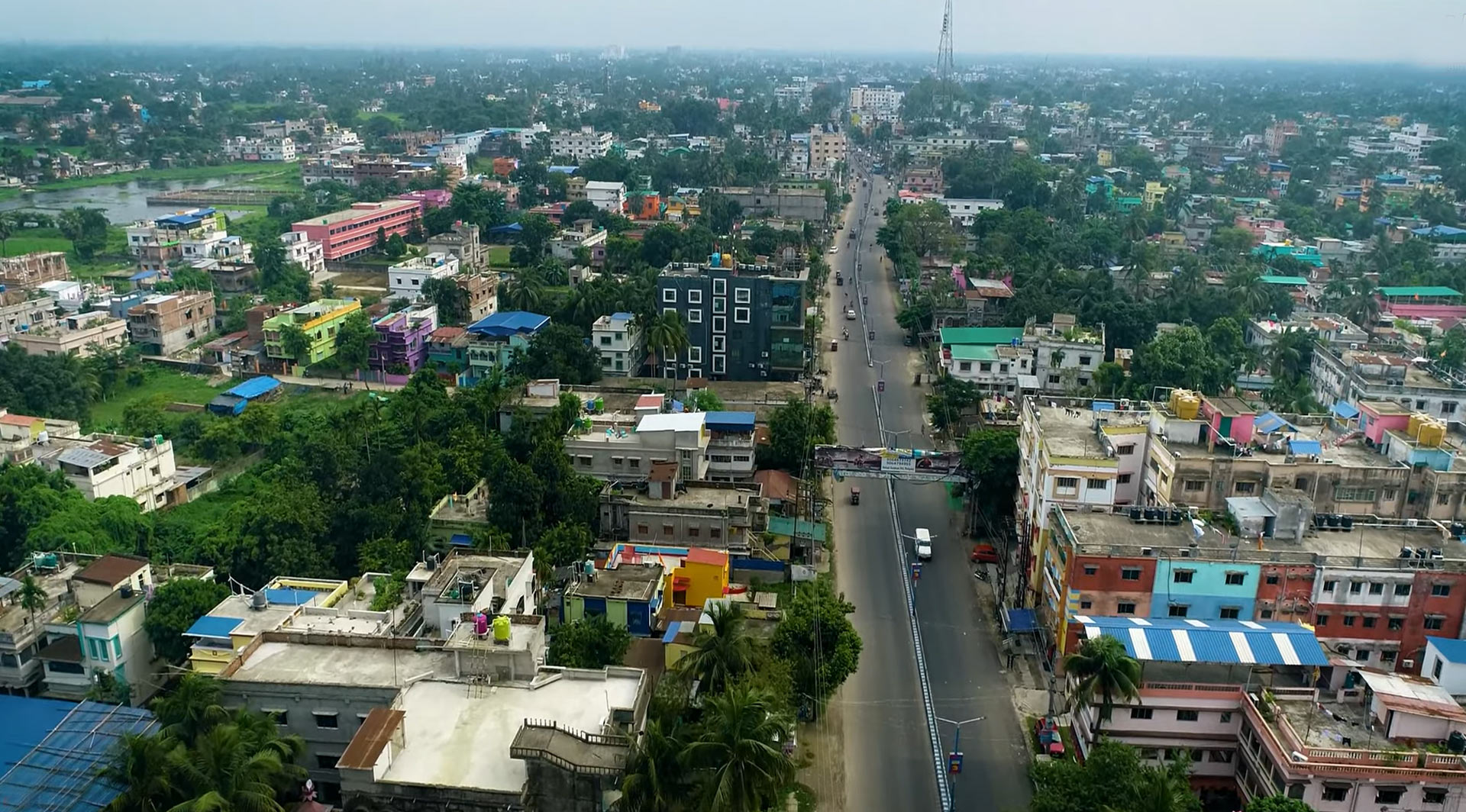
Balurghat is the heart of South Dinajpur and a destination in itself. It is a small well well-planned town known for its greenery, clean surroundings and absence of industrial pollution. Just one kilometre from the town lies the Raghunathpur forest, offering a refreshing natural escape and a forest department bungalow for stays. Another small forest area called Dogachhi is located about six kilometres away and features a canal where boating facilities are available, making it a popular local outing spot.
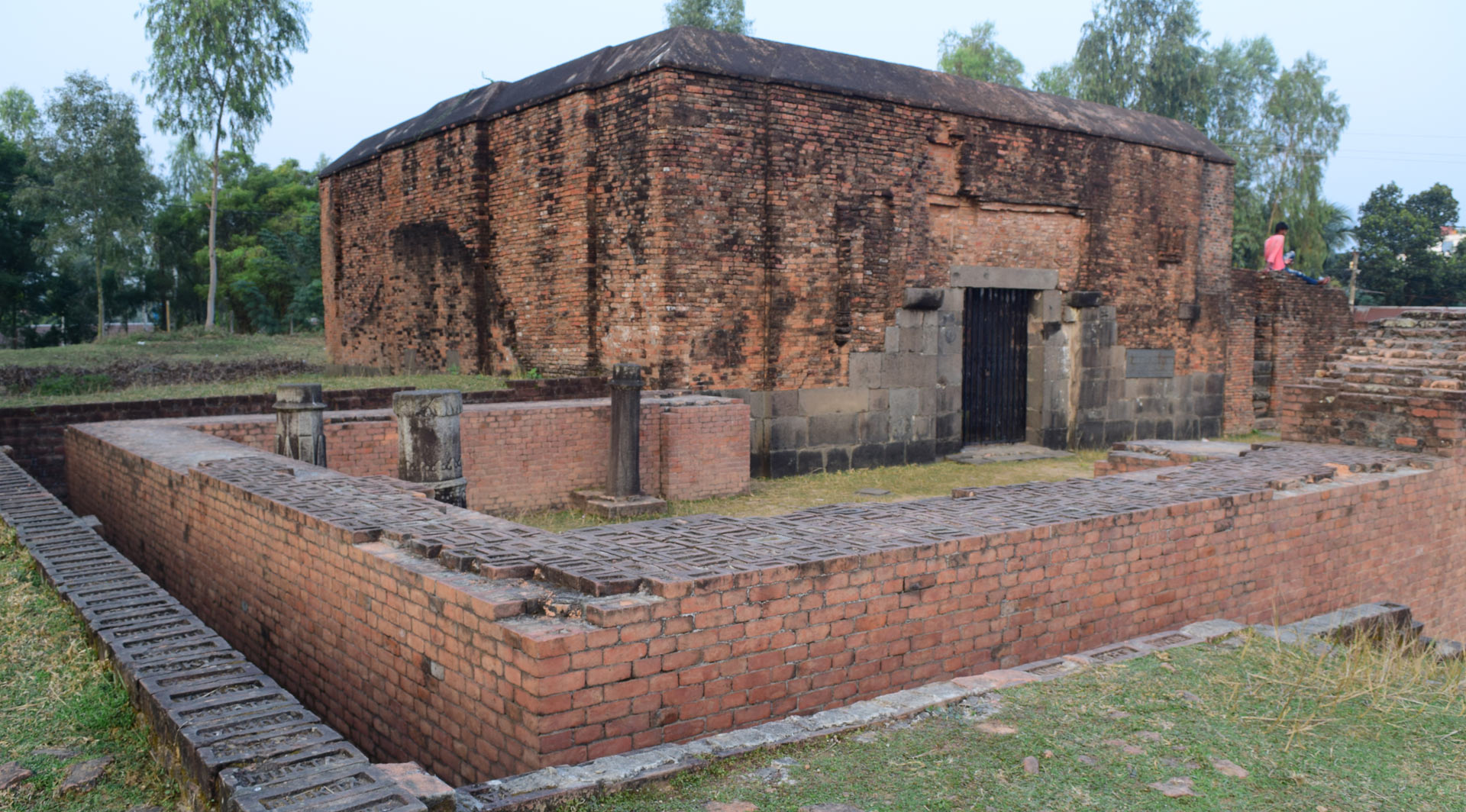
Bangarh is the most historically significant site in South Dinajpur and one of the most important archaeological locations in North Bengal. Located about forty-five kilometres from Balurghat and sixty-five kilometres from Malda, Bangarh dates back to the Gupta period and possibly earlier. Excavations led by Professor Kunia Gobinda Goswami between 1938 and 1941 revealed remains from the Mauryan period through the Pal Sena and Muslim rule in North Bengal. Discoveries include a manuscript of King Naipala from the eleventh century, a statue of Darpal, pillars of a Vishnu temple, walls of ancient structures, numerous statues and relics and even the grave of the Turkish warrior Bakhtiar Khilji. The discovery of the Usha Haran Road, believed to be associated with Aniruddha, the grandson of Lord Krishna, adds mythological depth to the site, making Bangarh both historically and culturally fascinating.
Hili, situated about twenty-five kilometres from Balurghat, lies along the Indo-Bangladesh international border. It offers a rare opportunity to witness cross-border trade with hundreds of large trucks transporting goods between the two countries. The town has a Public Works Department tourist bungalow and provides a unique perspective on border life and commerce.
Other attractions include Sarongbari, a pleasant picnic spot set within a small forest area equipped with basic facilities and the College Museum in Balurghat, which houses a valuable collection of coins, sculptures, terracotta inscriptions and ornamental stones from ancient periods. The Bolla Kali Temple, located around twenty kilometres from Balurghat along the Balurghat-Malda highway, is a significant religious site with a legend linked to a zamindar rescued by Goddess Kali during British rule. Tapan, located about thirty-five kilometres away, is known for Tapan Dighi, a large lake with a mound on its northern side, believed to date back to the time of Lord Buddha, though no formal excavation has yet taken place.
South Dinajpur invites travellers to slow down and engage deeply with its surroundings. Exploring Bangarh with a knowledgeable local guide transforms ancient bricks into living history. Morning walks along the Atreyee or Punarbhaba rivers offer quiet moments with fishermen and farmers starting their day. Forest visits near Balurghat are ideal for relaxed nature walks, while winter months are perfect for birdwatching around wetlands and riverbanks. Monsoon brings lush greenery and dramatic skies, making it a rewarding season for photography and countryside exploration. Cultural immersion through village visits, local markets and temple festivals allows travellers to experience Bengal beyond the usual tourist circuits.
Life in South Dinajpur revolves around agriculture, rivers and community. Most residents depend directly or indirectly on farming and fishing, and this connection to the land shapes local customs and festivals. Hindu traditions coexist peacefully with Muslim and folk practices, reflecting the inclusive cultural fabric of the region. Seasonal festivals tied to harvest cycles are celebrated with simplicity and warmth. Visitors are encouraged to dress modestly and behave respectfully at religious sites and always seek permission before photographing people or private spaces, which is appreciated and often rewarded with genuine hospitality.
From Balurghat, day trips can be planned easily to Bangarh, Gangarampur, Hili and Tapan, all within one to two hours by road. Malda district lies around sixty-five kilometres away and can be reached in about two hours, offering additional historical depth and a change of landscape. Countryside drives through villages, and riverine areas around Kumarganj and Tapan provide rewarding experiences for travellers interested in rural Bengal and everyday life beyond landmarks.
South Dinajpur experiences a moderate climate throughout the year with an average annual rainfall of about one hundred fifty-five centimetres. Summers are mild with temperatures generally ranging between twenty-one and twenty-five degrees Celsius, making cotton and tropical clothing comfortable. Winters are cooler with temperatures dropping to around nine degrees Celsius at night, and woollens are recommended. The best season to visit is from October to March, when the weather is pleasant and ideal for sightseeing, though the district can be visited throughout the year, depending on travel preference.
Accommodation options in South Dinajpur include small hotels, guesthouses, forest bungalows and simple tourist lodges, mainly around Balurghat and nearby locations. For travellers seeking well-coordinated stays, heritage-focused experiences and reliable local arrangements, it is advisable to plan through experienced professionals. For accommodation bookings and complete travel planning, contact NBTT Travel Solution Private Limited at +919733300696 for trusted local support and curated experiences.
Food in South Dinajpur reflects traditional rural Bengali cuisine with rice, fish, lentils and seasonal vegetables forming the core of daily meals. Freshwater fish from local rivers is prepared in simple, flavourful styles while local sweets and homemade snacks add warmth to the dining experience. Bengali, Hindi and basic English are spoken widely, making communication easy for most travellers.
Travellers are encouraged to respect archaeological sites, forests and rivers by avoiding littering and unnecessary disturbance. Supporting local businesses, respecting village privacy and maintaining low noise levels help preserve the quiet charm of the district. While visiting border areas, follow local guidelines and avoid restricted zones. Responsible travel ensures that South Dinajpur remains as welcoming and peaceful for future visitors as it is today.
Two to three days are ideal to explore South Dinajpur at a relaxed pace, while combining it with nearby districts allows for longer itineraries. The district is generally safe, with medical facilities and ATMs available in Balurghat and other major towns. Mobile network coverage is reliable in urban areas, though it may be limited in interior villages. Bengali is the primary language, with Hindi widely understood and English spoken at basic levels in towns.
On one winter evening in Balurghat, I watched the sun set over the Atreyee river while locals chatted softly nearby and fishing boats drifted home. There was no rush, no performance, just life unfolding quietly. That moment captured the essence of South Dinajpur, a place that does not try to impress yet leaves a lasting impression through its simplicity and depth.
South Dinajpur is a destination best explored with insight, patience and local knowledge. For customised itineraries, heritage exploration, rural experiences and end-to-end travel support, reach out to NBTT Travel Solution Private Limited at +919733300696. With experienced local guidance, this understated district of Bengal can become one of your most meaningful travel experiences.
Siliguri Office - 19 MN Sarkar Road, Siliguri, West Bengal - 734001 Siliguri, State : West Bengal, Country : India. PIN : 734001
info@north-bengal.com
